
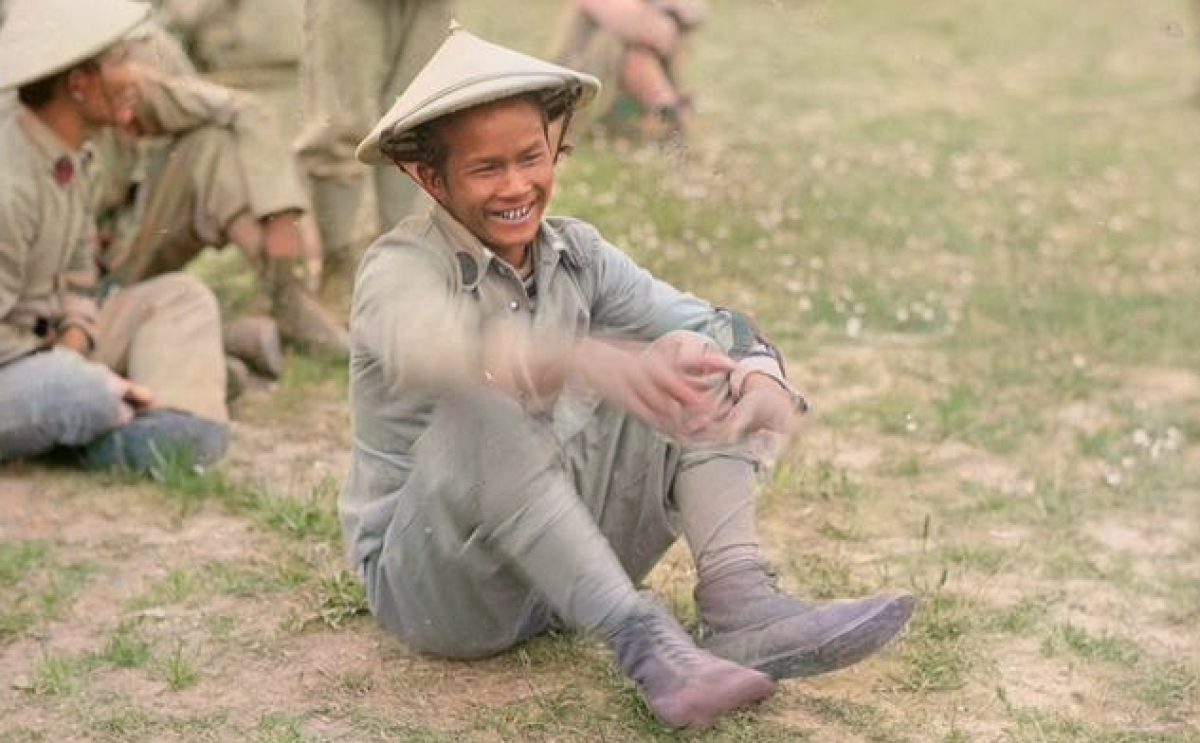
Searching recently through the Internet for information on the 85th Field Ambulance (famed for its pantomimes), I stumbled across an article about Sir Harold Arthur Thomas Fairbank. Today he is remembered as one of the great pioneers of British orthopaedic surgery, but his career was not confined to hospital wards and consulting rooms. For those of us studying the Salonika campaign, it is Fairbank’s Macedonian wartime service that is of interest.
Born in Windsor in 1876, Fairbank came from a family steeped in medicine. After training at Epsom College and Charing Cross Hospital, he qualified in medicine in 1898. Adventure seemed to appeal to him early on. During the Second Boer War he volunteered as a civilian surgeon, where he crossed paths with figures such as Arthur Conan Doyle.
Back in London, he quickly made a name for himself at Great Ormond Street Hospital. By the age of thirty he had become the first surgeon at a London teaching hospital to practise purely as an orthopaedic specialist — something rather unusual at the time, when most surgeons still divided their work with general surgery.
Then came 1914. Fairbank joined the Royal Army Medical Corps and was posted to the 85th Field Ambulance of the 28th Division – donating both the family car and chauffeur for ambulance work. After serving in Ypres, he was posted to Salonika in early 1916.
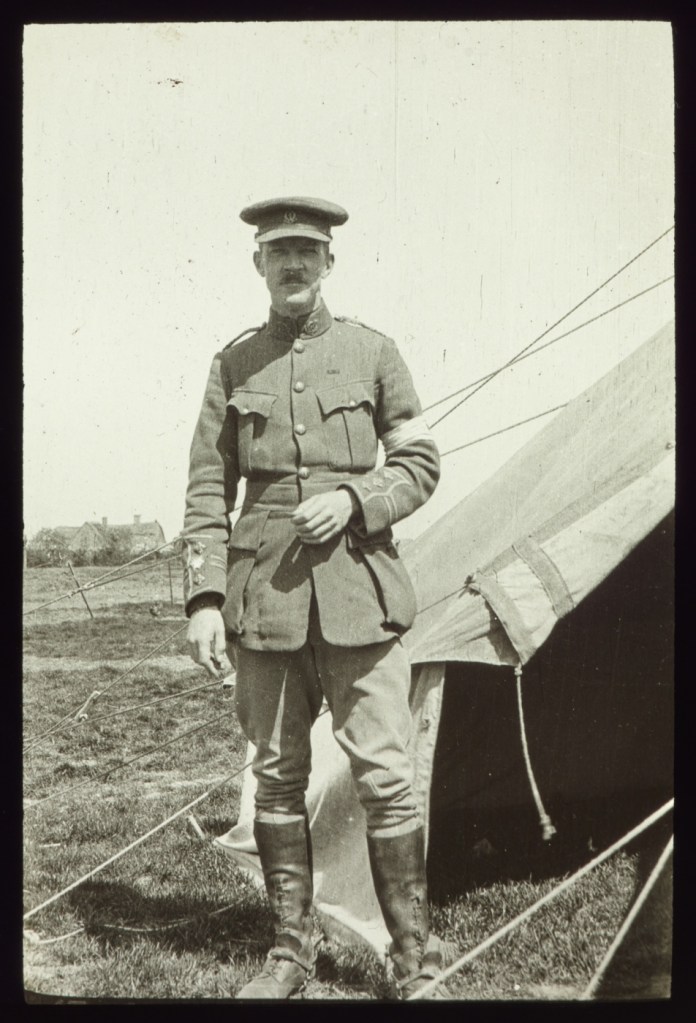
Image source: https://specialcollections-blog.lib.cam.ac.uk/?p=12795
The Salonika setting hardly needs explaining: heat, dust, flies, endless sickness, and a constant battle against malaria that often seemed more dangerous than the enemy. Fairbank seemed to thrive in the middle of it. As well as handling surgery and casualty care, he was heavily involved in organisation and transport, and his abilities soon earned him promotion to Lieutenant Colonel and appointment as Consulting Surgeon to the Salonika Army in 1917.
In this role, he travelled widely in the Doiran and Struma areas, advising and helping younger surgeons and making a major contribution by establishing the first overseas convalescent centre for British troops. In the second world war such units became known as Rehabilitation Centres.
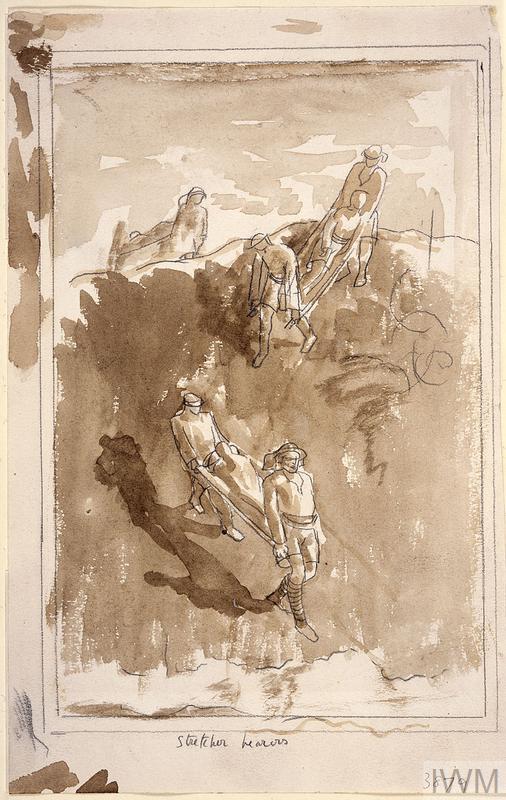
The world Fairbank worked in was later captured by Stanley Spencer, whose paintings of dressing stations and camp life remain some of the most vivid images of the Macedonian Front, especially those at Sandham Memorial Chapel. When looking at Spencer’s sketches and paintings, it’s not too difficult to imagine Fairbank moving through the chaos of a casualty station and helping other surgeons in their work.
Like so many in Salonika, Fairbank eventually became a casualty himself. On 20 August 1918, suffering from malaria and typhoid fever, Fairbank was admitted to the 43rd General Hospital where he stayed until his medical evacuation to Malta on 18 September. He remained in Malta until late December 1918.
Incidentally, it was while recovering in Malta that Fairbank developed a lifelong fascination with butterfly collecting — a surprisingly gentle legacy from such a harsh campaign.
His diaries from his time in Salonika are available at Cambridge University Library but not online, as far as I can tell. The library gives a synopsis of them:
“Fairbank frequently remarks on the cold temperatures endured and the treatment of those sick with malaria and diarrhoea. The diary carries reports of the autumn 1916 offensive from 10 September to 18 December when Fairbank returned to England for a period of leave; of Fairbank’s involvement in a serious railway accident involving a British troop train in France on 17 January 1918 which killed ten; the bombing of the 29th General Hospital in Salonika on 1 and 5 March 1917; and of the fire which destroyed two-thirds of Salonika from 18 to 20 August 1917. After 11 March 1917 entries become less frequent with only eight entries from 1 April to 6 December… There are no entries after 6 December 1917 until 4 August 1918. .. The diary ends with Fairbank’s arrival in England on 3 January 1919. There are only five extremely brief entries from 20 August 1918 to 3 January 1919.”
Fairbank’s wartime service earned him the Distinguished Service Order, an OBE, and three Mentions in Despatches. After the war he returned to civilian medicine, specialising in orthopaedic surgery at King’s College Hospital and Great Ormond Street Hospital where Uncle Tom, as he was known, was widely considered a superb clinician with an extraordinary gift for reassuring children and their families. His later achievements in orthopaedics are reported as considerable, particularly his landmark 1950 textbook An Atlas of General Affections of the Skeleton.
Sir Harold Arthur Thomas Fairbank died February 26, 1961.
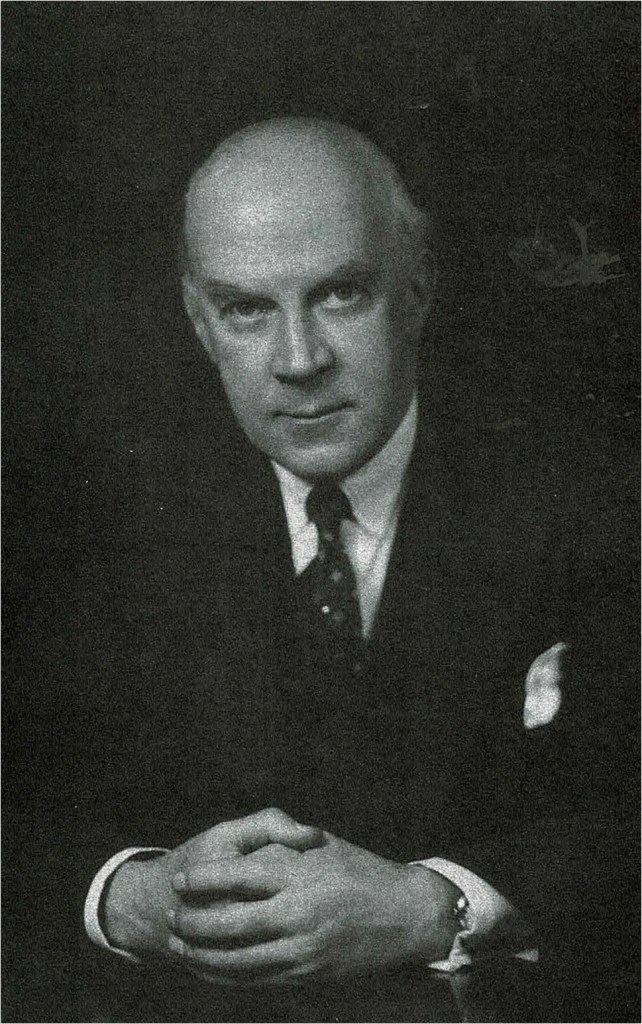
Image source: https://link.springer.com/article/10.1007/s00264-025-06696-w/figures/6
Sources
- https://link.springer.com/article/10.1007/s00264-025-06696-w
- https://www.bmj.com/content/1/5227/751.5
- https://specialcollections-blog.lib.cam.ac.uk/?p=12795
- https://cudl.lib.cam.ac.uk/view/MS-ADD-10082-00010/1
Discover more from Salonika Campaign Society, 1915-1918
Subscribe to get the latest posts sent to your email.


Thank you for this story – very touching, Grendon Haines, son of Ernest Haines who served in Salonika.
>
Thank you for your comment Grendon – much appreciated.