
Blog
Army School of Cookery, Salonika
I am currently reading a fascinating book: Frontline Cookbook: Battlefield Recipes from the Second World War, edited by Andrew Robertshaw in association with the Royal Logistics Corps Museum (Spellmount, 2012). In a section on the origins of the Army Catering Corps (p.26), I came across this:
One Development within the Royal Army Service Corps (RASC) [note: the ASC did not become ‘Royal’ until 1918] was a new appointment for officers. Their responsibility was catering and by January 1916 there were fourteen Catering Instructors who were distributed throughout the UK. By 1918 the number of instructors had expanded to forty and although the main Army School of Cookery was at Aldershot there were schools of instruction in all the theatres of war. These included Egypt, Palestine, Mesopotamia, Salonika and, from 1918, Russia. After the Armistice, the Catering Section was gradually disbanded and by June 1923 there was a single Inspector of Catering at the War Office.
This sent me to the online catalogue of The National Archives at Kew to find the official war diary of this school of instruction in Salonika and here it is:
You will note that it is listed as ‘Army School of Cookery’ from August 1917, alongside some other interesting schools of instruction and lines of communication troops. Of course, war diaries from the Macedonian campaign have not been digitised so, unless you want to pay for this to be done, you will need to visit Kew to see it. It’s a neglected subject that probably warrants further investigation.
It’s worth mentioning that Andrew Robertshaw has also written a volume on the First World War – Feeding Tommy: Battlefield Recipes from the First World War (Spellmount, 2013). Perversely I am reading them in reverse order. The Society has been given some collections of photos belonging to ASC soldiers in the campaign, which include images of cooks at work, so I’m saving this book for when I start investigating these.
 An Indian cook grinding pepper in a Turkish shell case. The shell was fired into their camp when stationed in Egypt. Salonika, March, 1917. [click on image to see full size] © IWM (Q 32818)
Finally, I found this comment (p.91) which I am sure would have applied equally to the soldiers of 1914-18:
… British servicemen do not respond to a diet that lacks tea. So great was the British need to furnish their troops with an adequate supply of tea throughout the war that during one season in 1942-43 the Ministry of Defence bought India’s entire crop of tea for use in the armed forces.
Anyone fancy a cuppa?
Webinar Talks on WW1
The Western Front Association has a series of webinar talks in December. These are free and open to all. The webinars are all on Monday evenings at 8pm UK time.
‘Tank Corps operations during the German Spring Offensive of 1918’ – 6th December, Geoffrey Vesey Holt
Some 204 tired Mark IV tanks and the 36 new Medium ‘A’ Whippet tanks, manned by just converted crews, would, given their number alone, not be able to make a decisive contribution to the defences during the German offensive in the spring of 1918. Nevertheless, as this talk will show, and thanks to the surprisingly good Tank Corps records, they did play a useful role. To register for this event please click here: Tank Corps operations
‘The Christmas Day Truce of 1914’. – 13th December, Gordon Corrigan
On Christmas Day all along the Western Front there were sporadic instances of carol singing by both sides, leading to meetings in no-man’s-land, fraternisation, exchange of gifts and even at least one football match. This talk explains what really happened and not only what its affects were, but what they were thought to be. To register for this event please click here: The Christmas Day Truce
‘Big Hands, Little Maps’: Operational Art and its genesis on the Western Front. – Monday 20th December, Lt Col Simon Shepard
This presentation sees the return of Lt Col Simon Shepard who will be exploring the development of the Operational Level of War and in particular the term now known as Operational Art. Simon will trace its development on the Western Front via the BEF and latterly via the combined conduct of the Allied Armies during later stages of 1918. To register for this event please click here: Big Hands, Little Maps
A recent request for help – was it you?
UPDATED! September 6th 2022
We were contacted today by the son of the gentleman who had originally asked for help but who had provided an incorrect email address for replies. The son had seen this post and wondered if there was a family connection. So it was great to finally be able to send on the little information we had found. In reply, he said, “Wow, I’m glad I followed up with you…, my father will be very grateful… I’ll forward the information you’ve supplied on to him and I’m sure he’ll be in touch.”
Good to be able to conclude things!
The society received a request for help recently, looking for information about a relative who served in Salonika. On average we get similar requests at a rate of about one a week, via the contact form on this website.
We were able to find a little bit of information and we would love to share this.
However, on this occasion, our enquirer entered his email details incorrectly and, as he is not a member of the society, we have no other information with which to identify him. Without the correct email address, and only a not-uncommon name to identify him, it makes it near-impossible for us to reply.
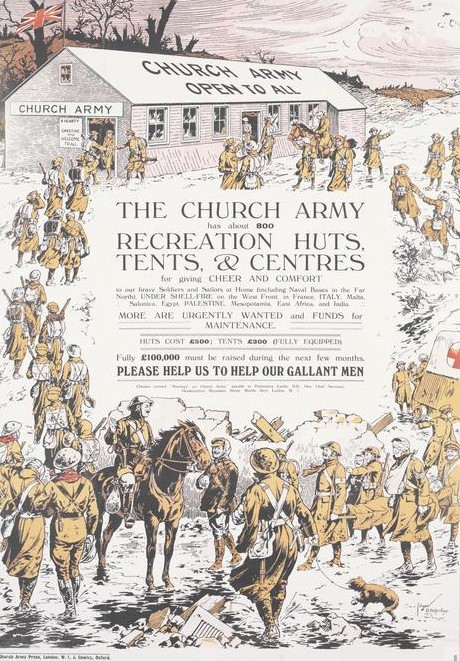
So, if you have recently requested information about a very close relative who served with the Church Army in Salonika, please get in touch via the contact page here – using your correct email address of course!
Remembrance at Whitehall and Sandham Memorial Chapel, November 2021
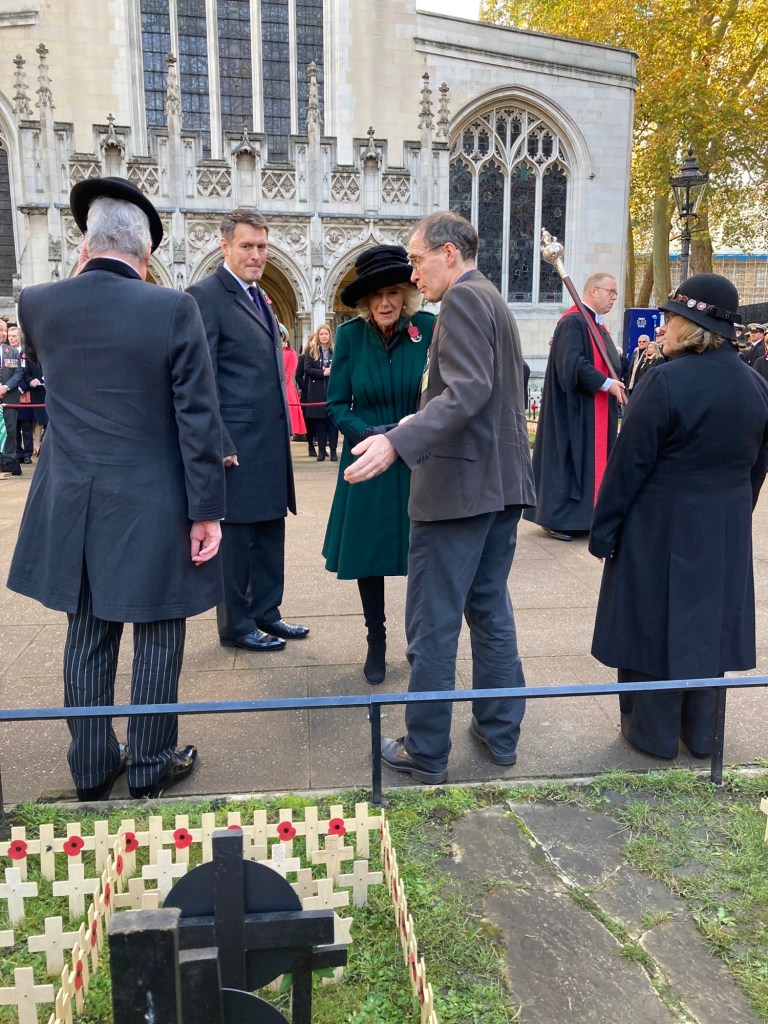
Easing of COVID restrictions enabled the Society to participate and lay wreaths in two services this year: at the Field of Remembrance, Westminster Abbey; and at Sandham Memorial Chapel.
Field of Remembrance, Westminster Abbey
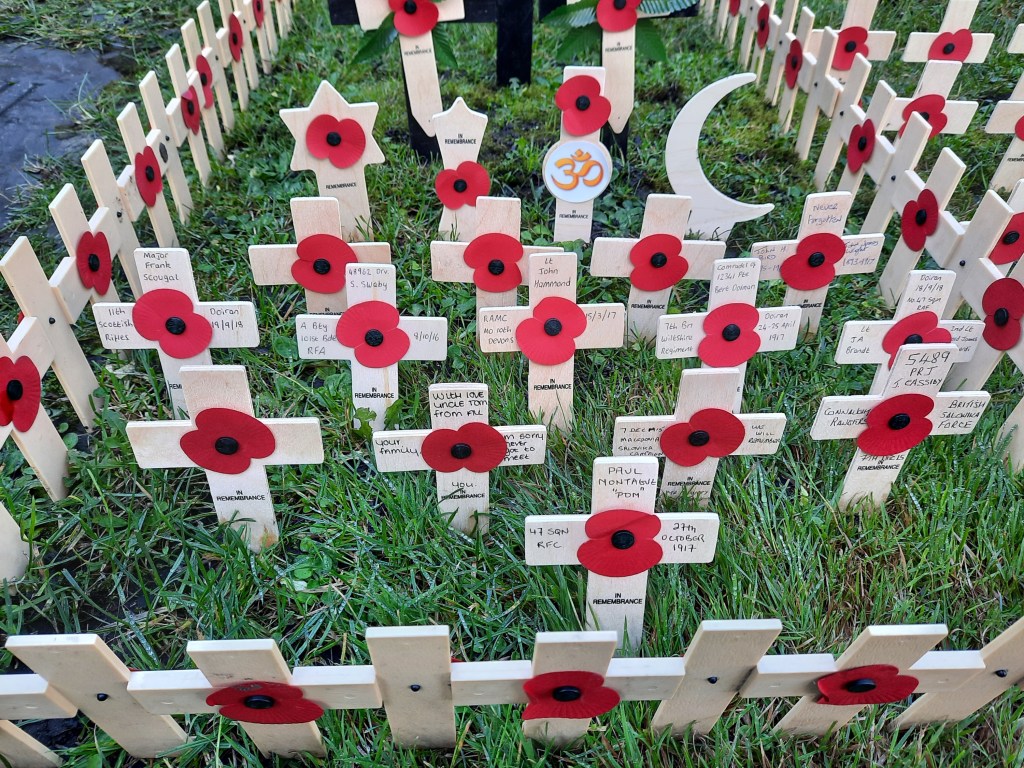
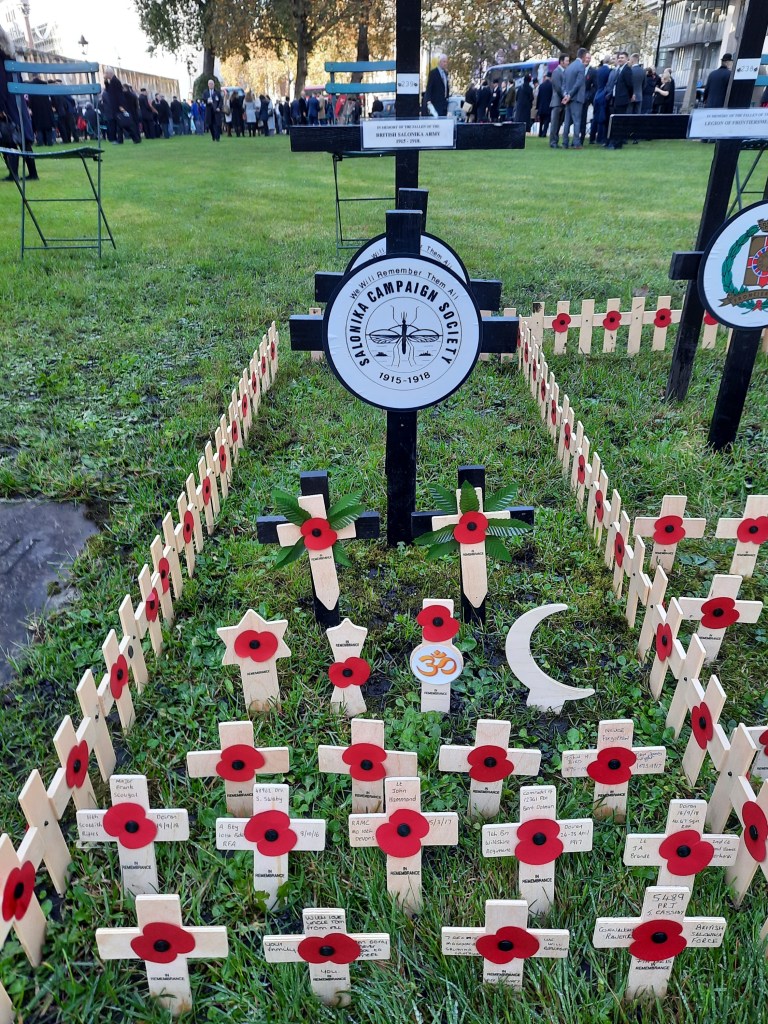
This year the Field was formally opened by HRH The Duchess of Cornwall, the Patron of the RBL Poppy Factory. The SCS had its remembrance plot in the location opposite the west door of St Margaret’s Church. The Society was represented by Chair, Alan Wakefield, and Jonathan Saunders. With excellent weather throughout the opening ceremony, it was good to be back at the Field in person after last year’s event being held behind closed doors due to COVID-19. Thanks to all those members who continue to support the SCS remembrance plot through planting crosses of remembrance and making donations to the Poppy Appeal.
Sandham Memorial Chapel
For the second year a memorial service was held at Sandham Memorial Chapel. A gathering of approximately 40 people took part in the act of Remembrance. This was led by Reverend Mark Christian himself a veteran army chaplain. The exhortation was read by David Innes. Wreaths were laid at the entrance to the chapel by the National Trust, Salonika Campaign Society and Soldiers of Oxfordshire Museum. Individuals laid Poppy Crosses too. The ladies of the WI produced a net covered with poppies in different styles. This will be placed on the altar of the parish church. After the service, tea, coffee and cake were served by the volunteers of the Chapel. The exhibition was made available as well as viewings of Stanley Spencer’s paintings inside of the Chapel walls. Some SCS members then retired to The Carpenters Arms for lunch. Next year a larger gathering is being planned at the Chapel by the National Trust.
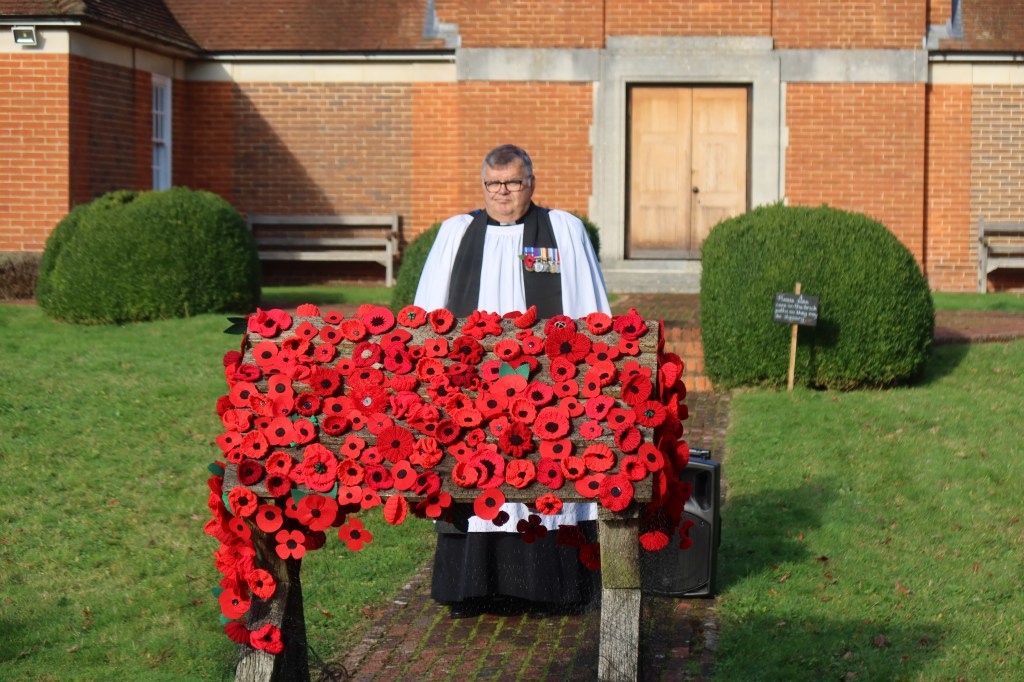
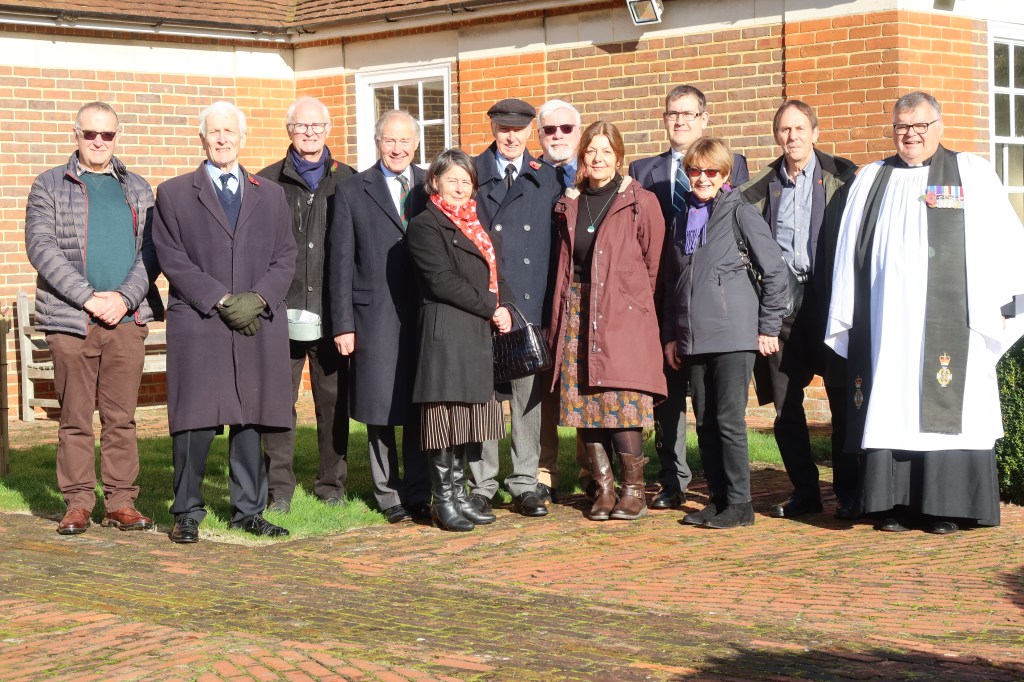
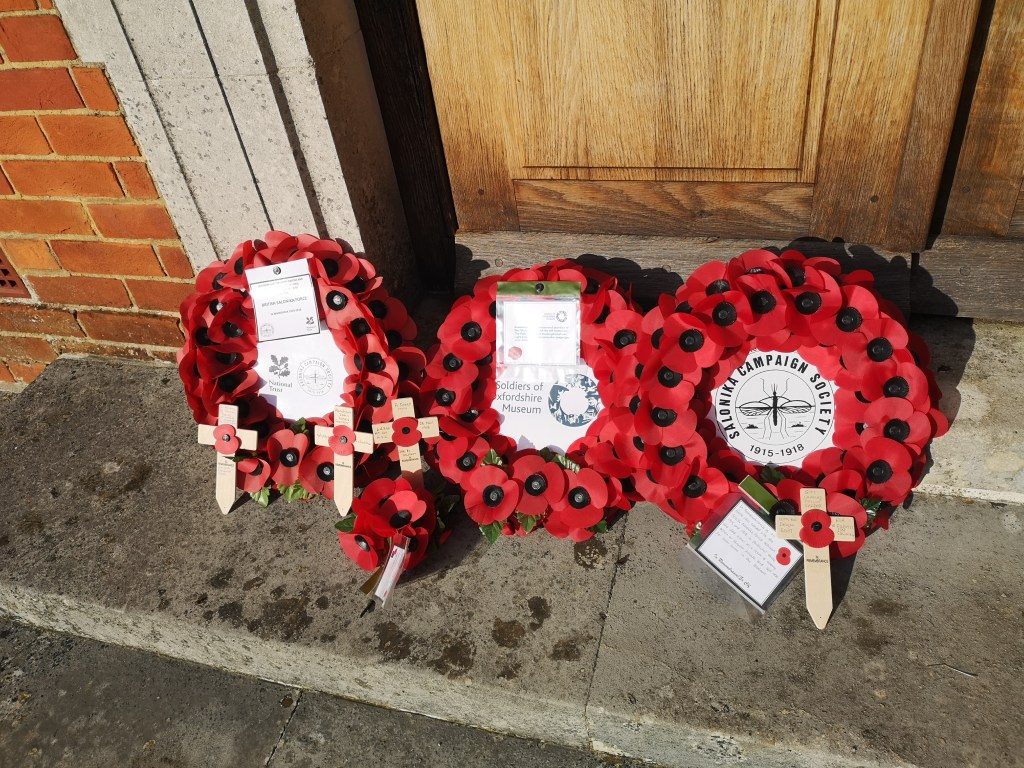
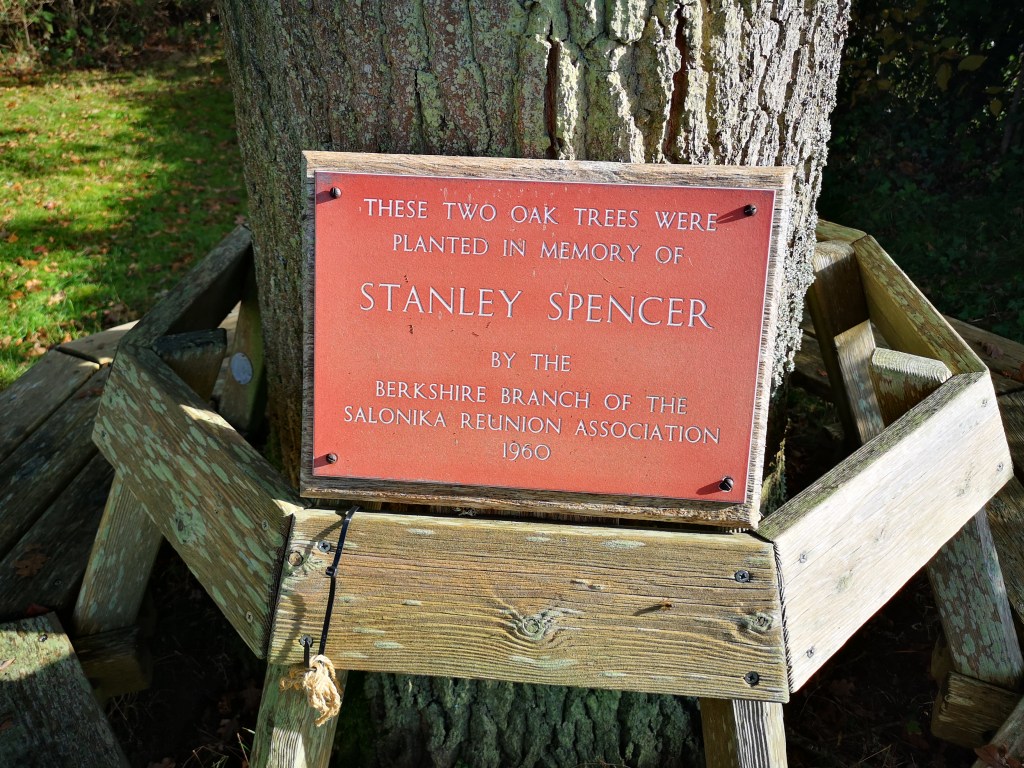
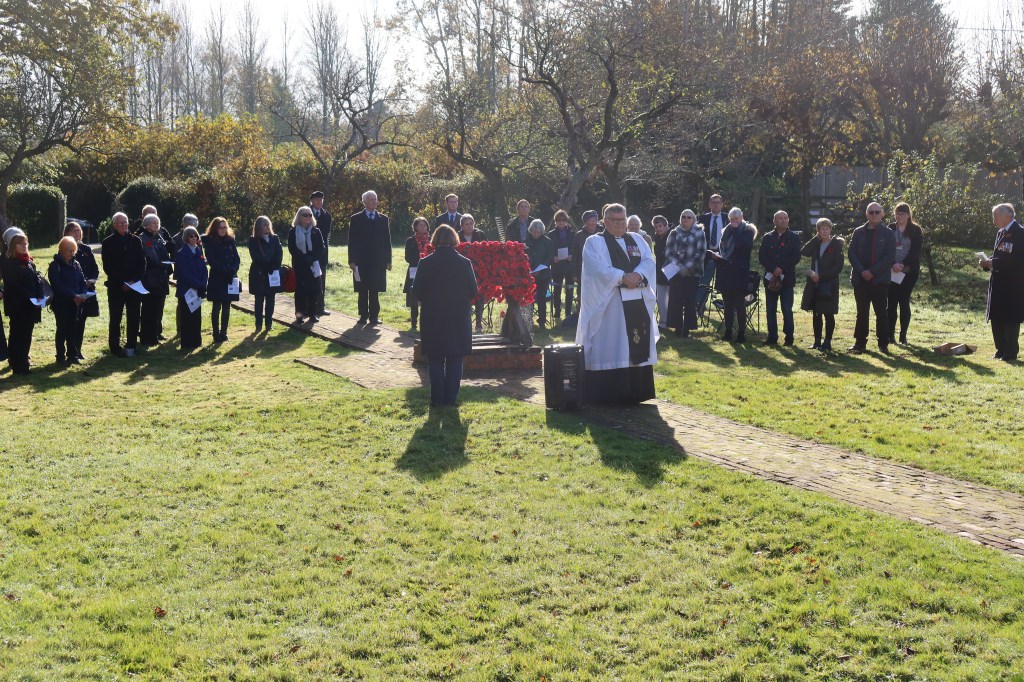
With thanks to Alan Wakefield, Darren Rolfe, and Keith Roberts for words and pictures.
Remembering Salonika
Poems by Edward G Evans – Chaplain, 10th (Irish) Division – published in The Mosquito, No. 7 September 1929
Continue reading “Remembering Salonika”We Will Remember Them …
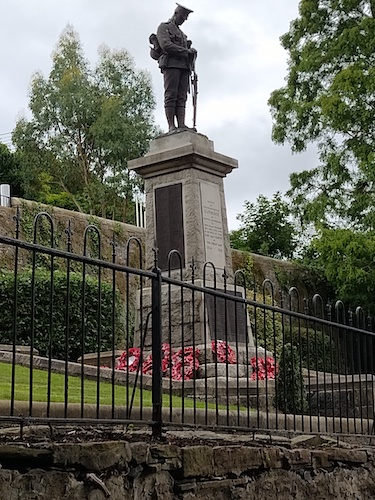
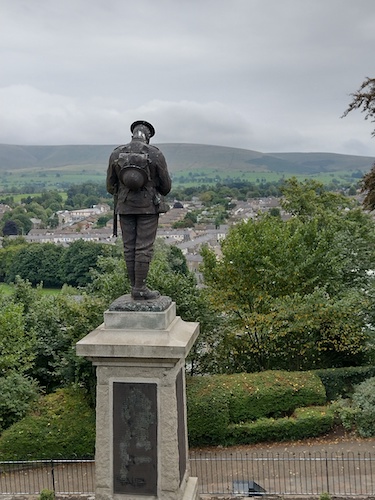
Photographs of the impressive war memorial at Clitheroe Castle in Lancashire. Clitheroe was in the recruiting area of the East Lancashire Regiment which provided a battalion – 9th (Service) Battalion – for the British Salonika Force (22nd Division, 65th Brigade), which was formed in Preston in September, 1914.
Dr Anthony Clayton, 1928-2021
The Society was sorry to learn of the death of Dr Anthony Clayton in August in his ninety-third year.
Continue reading “Dr Anthony Clayton, 1928-2021”New Book: ‘Iant’ – a novel based on the life of a man who served in the Salonika Campaign
Author Steve Blandford got in touch with the society recently to share news of his new novel, Iant. Much of the novel is set in Salonika and is based on his grandfather’s experiences. As I haven’t read it (yet), it’s best to leave the introduction to Steve himself:
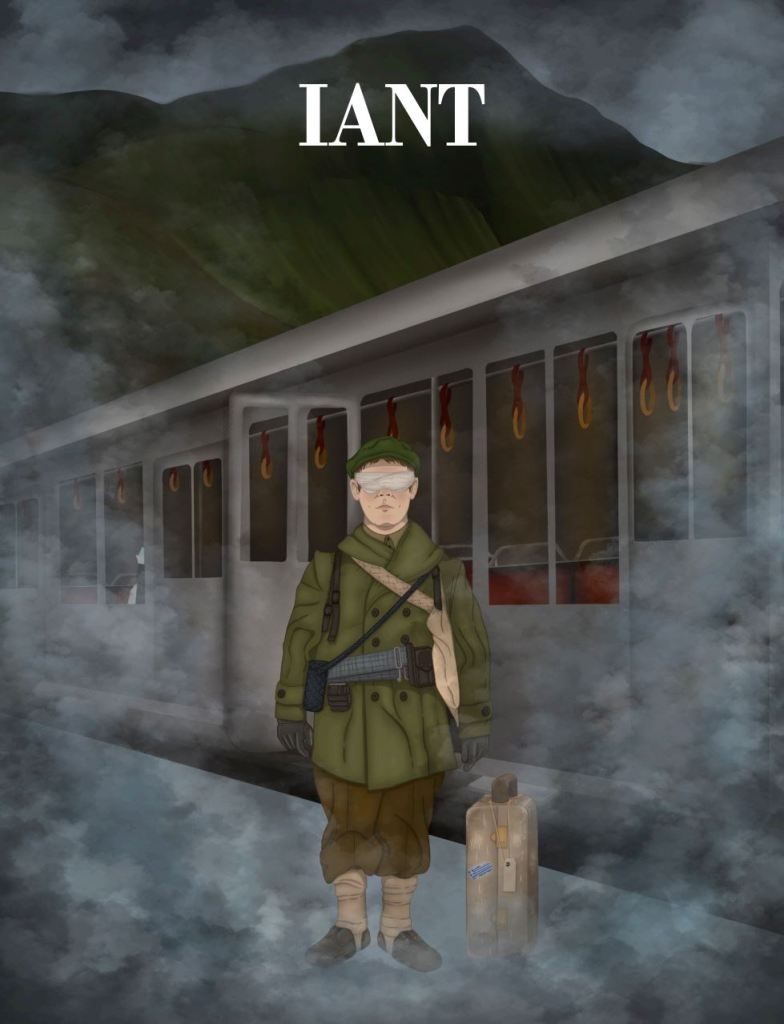
“My recently published novel Iant was inspired by my grandfather, David Owen, who died in 1956, aged 59. I knew little about him as I was two when he died, but the few stories I was told stayed with me and I finally got around to weaving some of these into a novel.
Some of what I was told concerned his service in and around Salonika during the later part of the First World War.
I am not a historian of course, though I have tried to base what I have written on some credible writing about the Salonika Campaign. If I have made errors then I apologise, though it is important to reiterate that Iant is a work of fiction.
What became clear to me as I began to write this section of the book was how little is known about this part of the war, at least by the wider public. I was finishing a new draft of Iant during the celebrations of 2018 and little was made of the Salonika Campaign in the wider media. I felt pleased therefore that I had perhaps made a very small contribution at least to a wider sense of a fascinating time and place where so many died and suffered.
The story of Iant Evans is only partly a story of a young man sent to fight of course. I was also very interested in the impact of such experiences on men and women who returned to the small places from which they came. How did they try and remake their lives and relationships?
In the case of my grandfather, one thing he coped with was the terror of temporary blindness, though in the novel this leads him to a very different set of experiences. His blindness became the inspiration for the cover of the book which was produced by my daughter, Beth Blandford, an illustrator whose work can be found via @blandoodles. The book therefore provides a thread across three generations.”
I’ve often wondered about the emotional and physical impact of the campaign on my own grandfather, a 16 year-old enlistee from rural Gloucestershire, who returned home in December 1918 seriously ill with malaria , so I very much look forward to reading Steve’s exploration of Iant’s war service and post-war life.
The book can be purchased from Cambria Books or as a paperback or e-book from Amazon.
A final thought from Steve: “I am so glad to have been put in touch with the Salonika Campaign Society. The scope of what it seems to have achieved looks remarkable. If anyone would like to contact me about Iant please do get in touch.”
- Steve.blandford@southwales.ac.uk
- Facebook via: @Iantthenovel
- Website: https://steveblandfordwrites.wixsite.com/website
- Cover design by Beth Blandford: https://blandoodles.com/
More talks…
Following on from our last post about an online talk, and listed in chronological order, here are some more opportunities to hear from experts on different areas of the Great War.
From ‘Soldiers of Oxfordshire Museum’
(i) On Wednesday 20th October Patrick Crowley presents on online talk and live Q&A on the Catastrophe at Kut.
Just a simple town in Mesopotamia (now Iraq), between Basra and Baghdad, Kut al Amara was the site of a Great War conflict that is less widely known than others of 1916, such as the battles of the Somme and Verdun, but one which would have a similarly catastrophic human cost.
Though initially successful on campaign in Mesopotamia, as Allied forces pressed towards Baghdad, poor logistic support, training, equipment and command left them isolated and besieged by Turkish forces.
Numerous attempts to relieve those under siege at Kut would fail, and on 29 April 1916 the British Army suffered one of the worst defeats in its history.
Over 13,000 troops, British and Indian, were taken into captivity; many would not survive their incarceration, while others would undertake elaborate schemes to escape.
In this online talk, Patrick Crowley recounts the dramatic tale of the Siege of Kut and its terrible aftermath, while shedding some light on the personal experiences of the men of the Oxfordshire and Buckinghamshire Light Infantry’s 1st Battalion. Hear stories of both the besieged themselves, and those involved in attempts to relieve them.
Patrick Crowley is a historian and battlefield tour guide, now retired from the Army after thirty-four years’ service in the Queen’s Regiment and Princess of Wales’s Royal Regiment. He was awarded the American Meritorious Service Medal for his service in Iraq.
Details on how to register to watch this are available on this link: Catastrophe at Kut.
From ‘Western Front Association’
(ii) On Monday 25 October 2021, at 8.00pm (UK time) Fraser Skirrow will give a talk ‘Ill met by moonlight – British and German raiders clash in the outpost war’.
This talk is the story of a couple of raids, one British (by the 2/6th Battalion, West Yorkshire Regiment), one German. These took place in the area of ‘The Apex’ near Bullecourt on the nights of 11 and 13 Seotember 1917. What is unusual is that we have the story from the contemporary British account, the results of prisoner interviews and detailed accounts from the German raiders and defenders. Comparing and contrasting these stories gives us a vivid and personal insight into two violent nights in the outpost war, and the circumstances surrounding the deaths of individual soldiers on both sides.
Fuller details and how to register to watch this are available on this link: ‘Ill Met By Moonlight’: British and German raiders clash in the outpost war.
(iii) On Monday 1 November 2021, Dr Emily Mayhew will give a talk entitled ‘Walking quietly away into a hail of lead to carry away a wounded man: Stretcher bearers of the Western Front’.
During the Great War, the battalion and regimental stretcher bearers transformed the medical landscape of the western front battlefield and beyond. In this presentation, Emily Mayhew will detail how bearers developed extraordinary skills at both the point of wounding and during the casualty evacuation phase that ensured casualties were able to survive complex injuries that would otherwise have been deemed fatal.
Fuller details and how to register to watch this are available on this link: ‘Walking quietly into a hail of lead to carry away a wounded man’: Stretcher Bearers of the Western Front

