
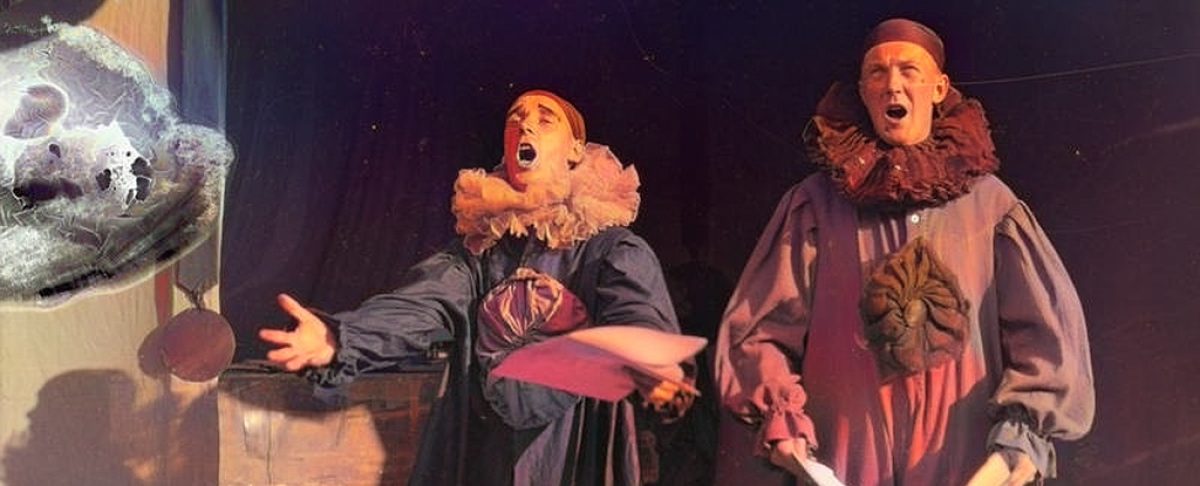
Christmas Message from Alan Wakefield, SCS Chair
On behalf of the Committee, I’d like to wish all SCS members and visitors to this site a very Merry Christmas and hope you enjoy the festive period as we anticipate what 2025 will bring.
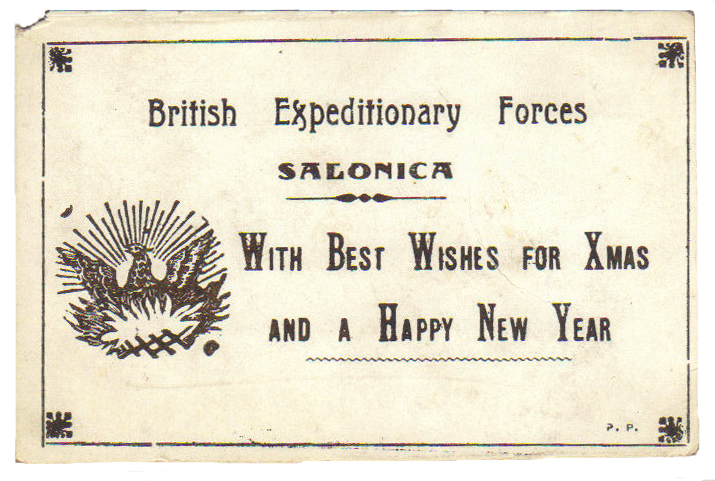
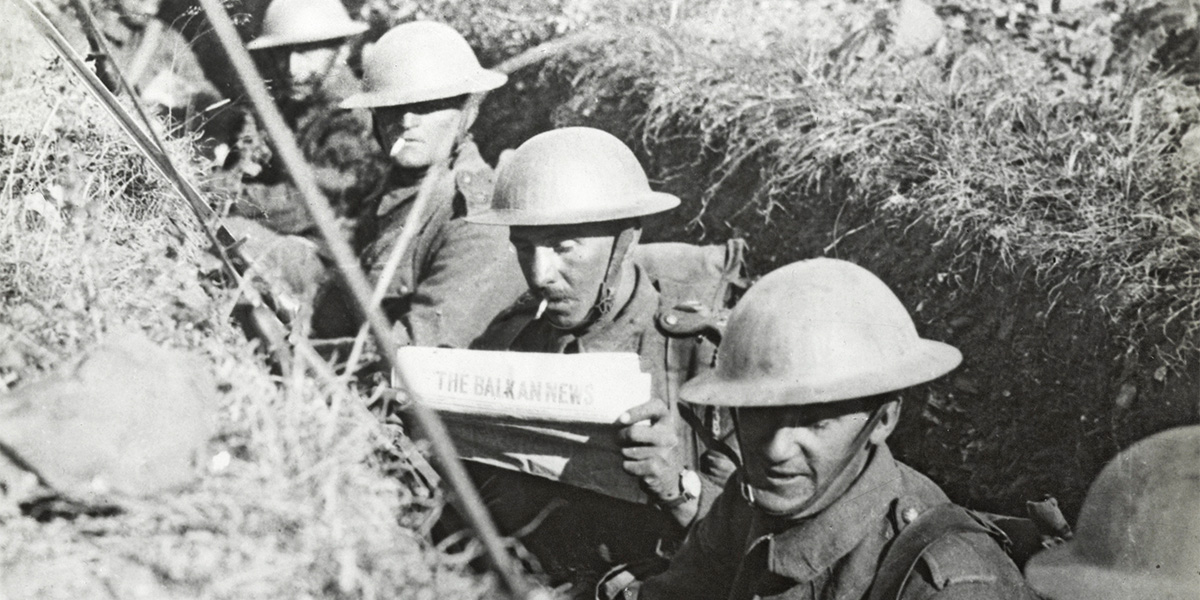
Image source: https://southwarkheritage.wordpress.com/category/guest-blogger/
The past year has certainly been eventful for the Society with changes on the Committee, the beginning of new projects and initiatives, another successful battlefield tour and the flurry of Remembrance events between late September and 11 November. I would like to thank all members for their continued support, which enables the SCS to effectively fulfil its mission of remembering, commemorating and researching those who served in the Salonika Campaign.
Given the changes in the composition of the Committee this year, I think it only right to begin with a few words about those amongst the membership who have voluntarily involved themeselves in running the Society over the past year. Andy Hutt, Keith Edmonds and Ray Brownson continue their respective work as Web Officer, Membership Secretary and Treasurer, with Keith also stepping in to edit issue No.49 of The New Mosquito to ensure another excellent edition of our journal saw the light of day. Andy continues to develop the Society’s website and I strongly encourage all members to log in and use the Members Area and in particular the White Tower Café discussion forum where members can post questions or information about any aspect of the Salonika Campaign and associated subjects. It is only through increased use that the forum and wider Members Area will prove a success. In terms of Ray’s work as Treasurer, much of his time has been taken up with, what has become, the rather frustrating task of moving the Society over to online banking. Having been involved in this saga myself, I will spare you the details, but suffice it to say a certain ‘new’ Highstreet bank won’t be getting any glowing reviews from the Society. By my time of my Chair’s Report in the April 2025 New Mosquito, I hope to be able to share news that we’ve achieved our objective!
In terms of changes to the Committee, John Taylor stood down as Secretary. I would like to thank John for his efforts and for getting involved in various aspects of Committee and wider Society life. Although stepping back from SCS administration, John is remaining active in SCS projects through his work as part of the team starting to list Salonika Campaign maps at The National Archives. John’s place as Secretary has been taken on by Chris Loader. Those of you who attended the recent AGM will have seen Chris stepping into the Secretary’s role ahead of time in John’s absence. Chris had originally thrown his hat into the ring following our call for an editor for The New Mosquito but was happy to take on the Secretary’s role when John confirmed he would step down. The reason Chris was able to step in as John’s replacement was down to our having two candidates for the role of editor, something unheard of before! Those of you who have read New Mosquito No.50 will be aware that our new Editor is James Bearman. I’m sure you will agree with me that James produced a great first edition of our journal and one that was in someways a landmark in bringing up the half century appearance of the publication. Hope you enjoyed the journal’s focus on the Salonika Reunion Association, our forebears.
In terms of the new projects and initiatives mentioned earlier, 2024 saw the inaugural award of the Philip Barnes Bursary to enable a postgrad student or postdoc researcher to visit the battlefields in Macedonia as part of the SCS’s annual battlefield tour. Our first bursary winner was Dr Jake Gasson, whose doctoral thesis examines the BSF’s struggle against boredom in Macedonia. Jake contributed four excellent ‘Stands’ to the tour covering Greek and Italian involvement in the campaign and Anglo-French relations and co-operation during the opening months of the campaign. Hopefully you have also read Jake’s piece on the SCS website covering the contested story of the French Zouaves involvement in the Second Battle of Doiran. As a final bursary contribution, we await Jake’s article in the April 2025 edition of The New Mosquito. It is fair to say Jake has set a very high bar for future bursary winners and has fully vindicated the concept of the bursary, which the Committee will discuss with the view of running it again in two or three years’ time.

Dr Jake Gasson giving his ‘Stand’ on the Italian involvement in the Salonika Campaign.
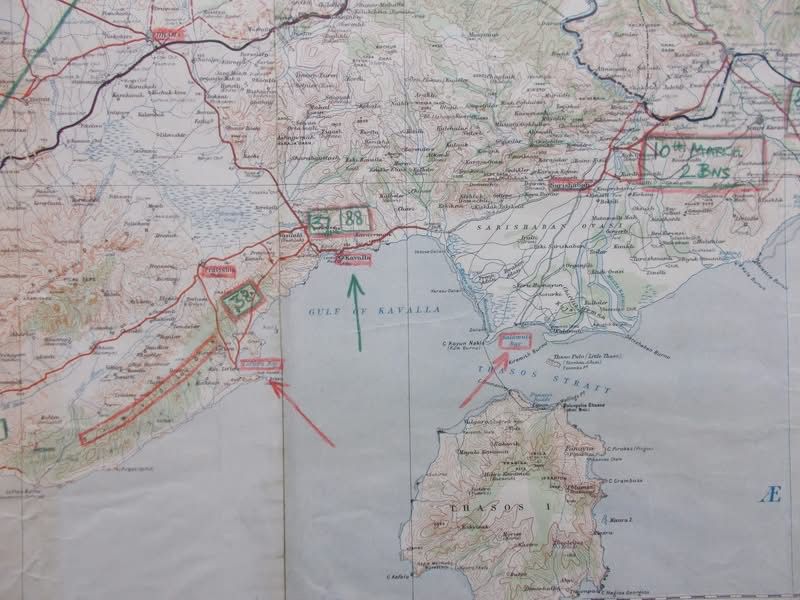
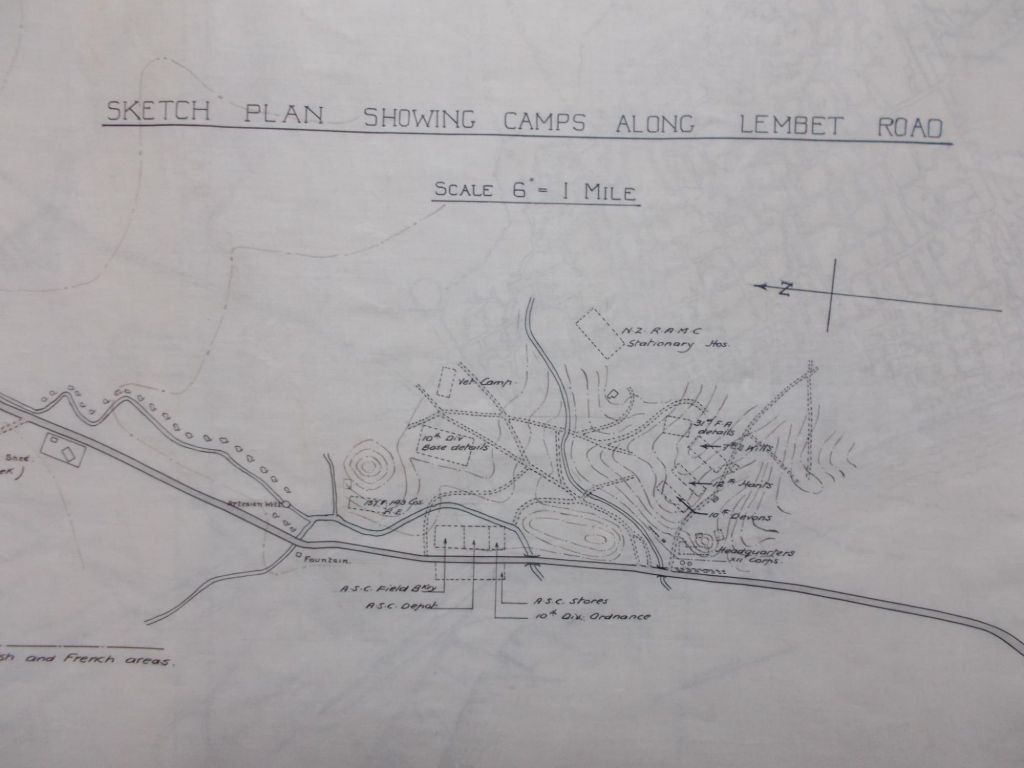
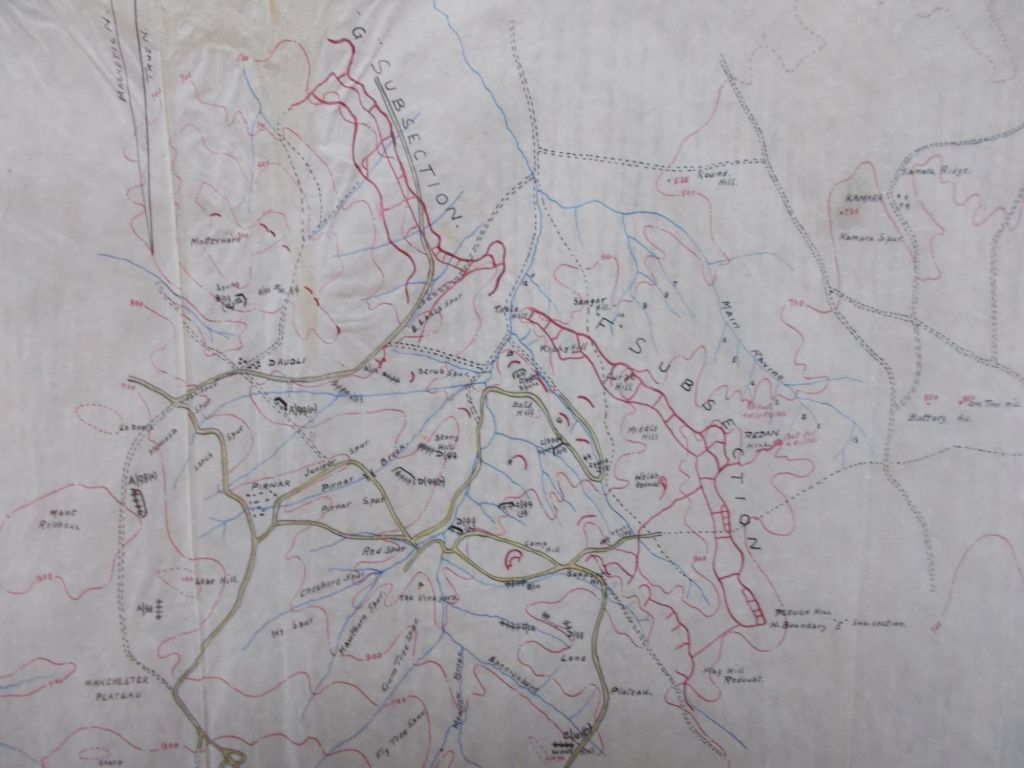
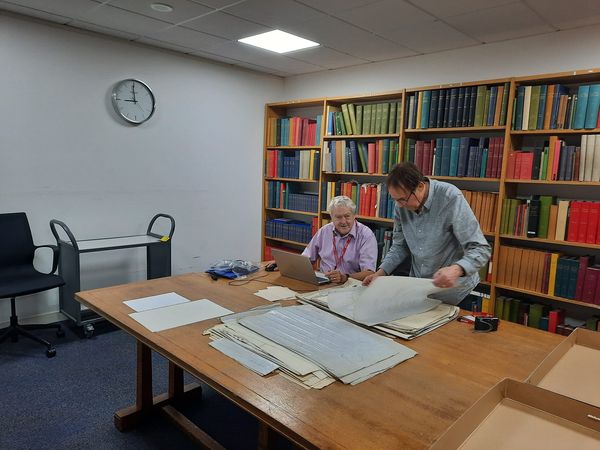
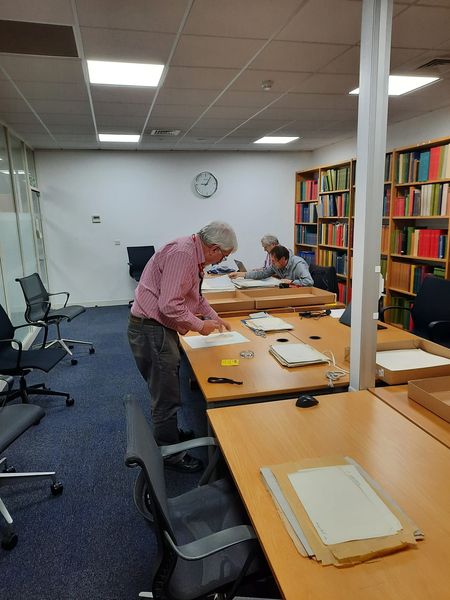
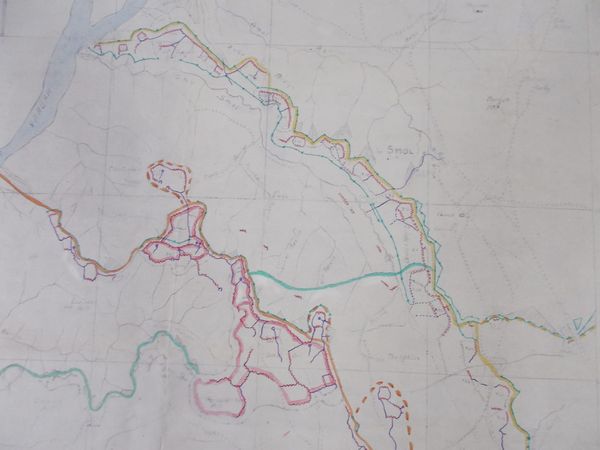
Another much discussed project that got off the ground in 2024 was that to catalogue maps at The National Archives (TNA). As some members will be aware, TNA holds large numbers of maps relevant to the Salonika Campaign. At present, many of these sheets are not individually listed and sit under very basic references such as ‘Salonika – various maps’, with nothing to point those undertaking research to relevant folders or individual maps. In November, a team of four SCS members (John Taylor, Keith Bowen, Keith Roberts and I) undertook some initial scoping work with assistance from Dr Will Butler, TNA’s Head of Military Records. The goal is to produce some basic listings of content for TNA, whilst at the same time capturing more detailed data to share with SCS members. The initial work has indicated the scale of the task we have ahead, although the fact that sets of maps sit in a series of individually numbered files does allow the work to be broken down into relatively manageable chunks, where some quick wins can be made. With many of the maps having been photographed, it is possible to work on the project remotely, without having to visit TNA. However, seeing and handling the original material is a bonus of the project, at least in my view. So, if you like maps or simply want to help make an important set of Salonika Campaign documents more accessible, please contact me for more information about joining the project.

SCS members cataloguing Salonika maps at the National Archives
Other successful projects in 2024 included SCS member Rob Elliott’s continued excellent work in identifying those receiving gallantry awards in the campaign. Our thanks to Rob who has now extended this work to also identify those mentioned in despatches during the campaign. 2024 also saw the results of a partnership with Great War Huts in a very successful and well-attended Salonika Study Day.
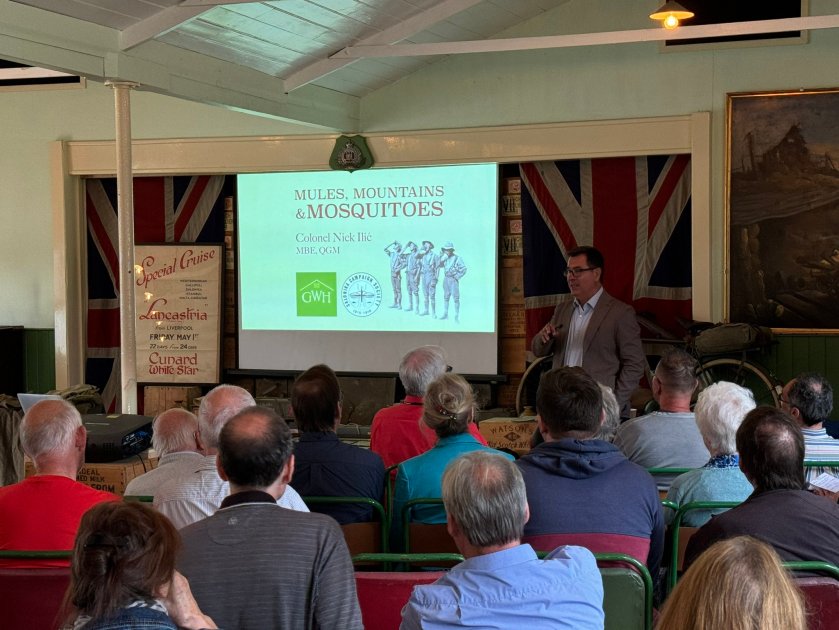
Colonel Nick Ilić MBE QGM – one of the presenters at the Salonika Study Day, 2024
Over in Greece the Society continued to cement its relationship with the village of Mavroplagia (formerly Karamudli), the village adopted by the SRA in 1951. Following last year’s visit to view the plaque presented to the village by the SRA in 1968, we returned to present the village with a SCS flag. This will be displayed in the village heritage centre alongside the plaque. A reception was organised for our arrival and the handover of the flag. A very friendly atmosphere prevailed with food, drink, speeches and singing. Thanks go to SCS member Apostolos Nalmpantis for acting as translator during the speeches. We look forward to returning to see our friends in Mavroplagia during the 2025 battlefield tour.

Remains of a loom, purchased for the village of Mavroplagia with funds from the Salonika Reunion Association in the 1950s.
The pieces of the loom are held by the Heritage Centre in Mavroplagia.
In terms of this year’s tour, my history workload was shared not only with Dr Jake Gasson, but also with First World War aviation historian Mike Kelsey. We covered much ground in visiting key locations associated with the air war over Macedonia, including the German airfield and officer accommodation at Drama, RFC/RAF airfield locations, the German bomber squadron base at Udova and the site of the kite balloon incident that led to the death of German air ace Lt Rudolf von Eschwege. We also brought the air component into discussions of ground operations at Doiran and in the Struma Valley. This was a great tour with a lot of new ground broken both in terms of locations visited and stories told. The group was a good mix of tour veterans and new travellers and, as always, good camaraderie reigned. Many thanks to Mike, Jake and members of the group who shared narratives on individual casualties commemorated in the well care for CWGC cemeteries scattered across the former BSF sector of the front.
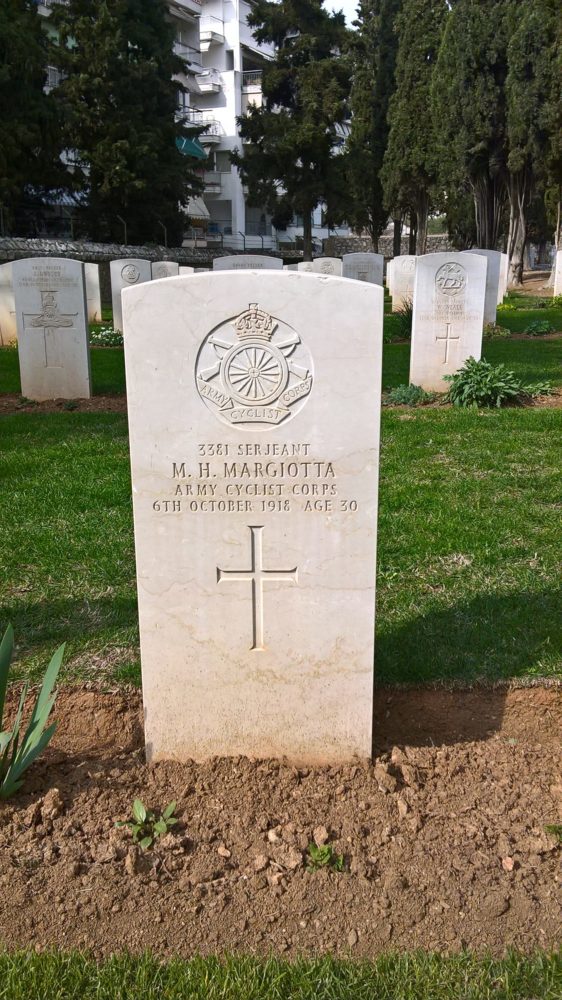
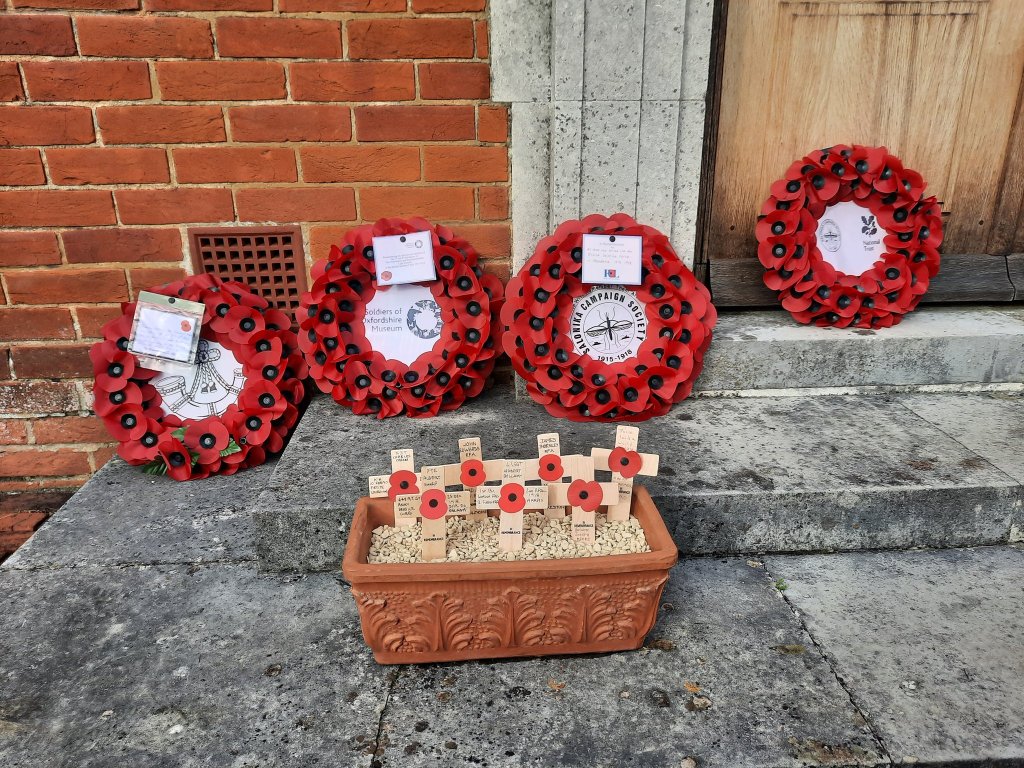
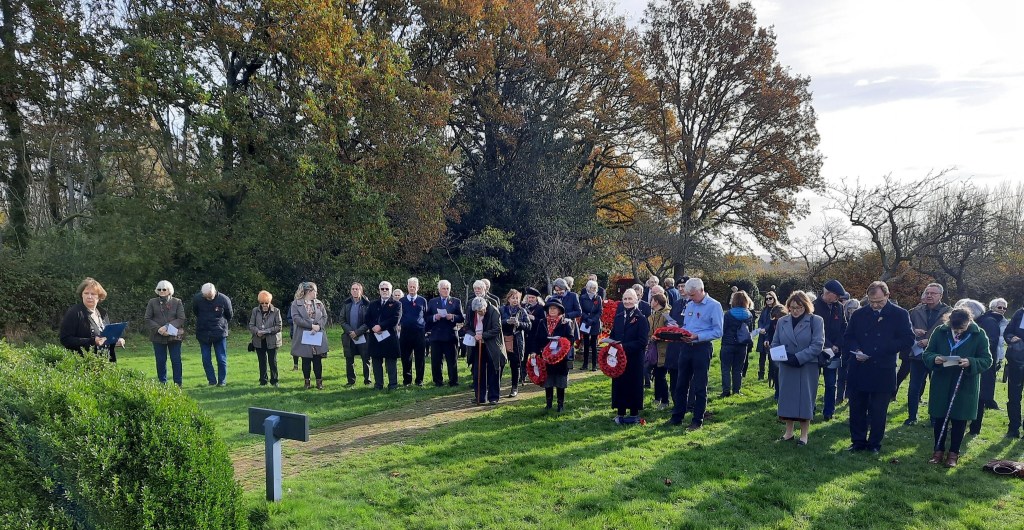
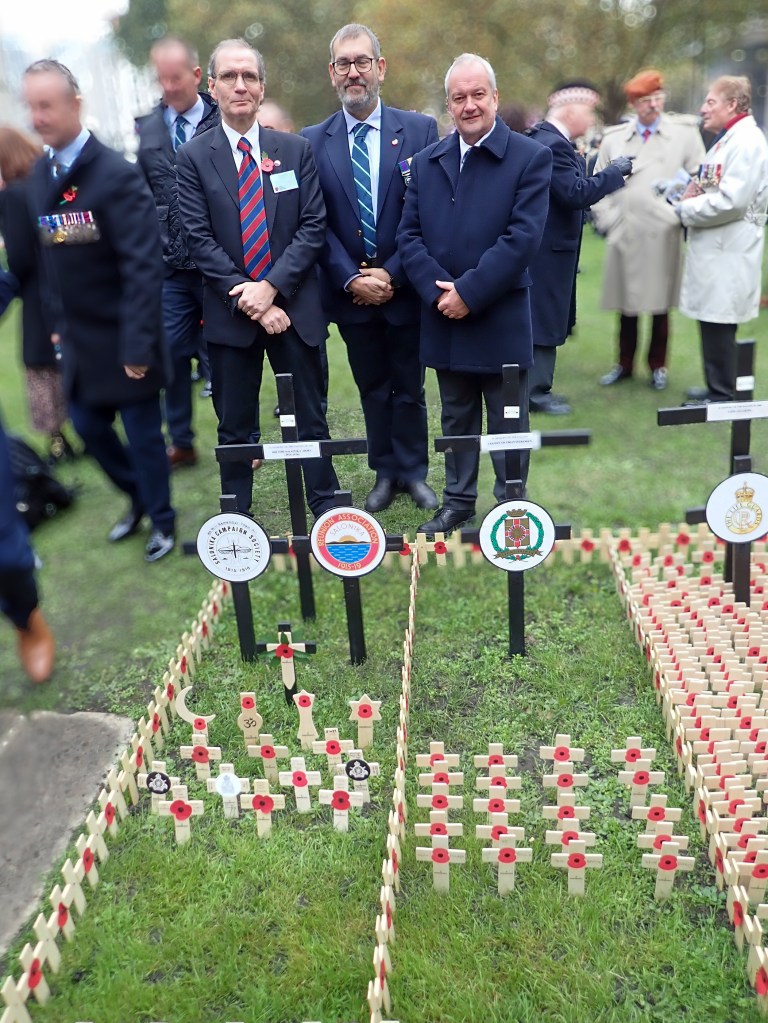
Finally, the annual round of Remembrance activities began at the Five Nations Memorial, Polykastro, on Sunday 29 September. Here I was joined by British Defence Attache, Captain Sam Law (RN) in laying wreaths to commemorate the British war dead. The SCS tour group also laid wreaths at the Doiran Memorial and at the British section of the Lembet Road Military Cemetery. In the UK, the Society laid a wreath at The Cenotaph just prior to our annual meeting and on Monday 11 November, SCS members gathered with National Trust volunteers outside the Sandham Memorial Chapel in Burghclere to take part in what has become a very important act of Remembrance for the Society. Thanks go to our Patron, Ann Straker, for laying the majority of the wreaths on behalf of the Society, to Apostolos Nalmpantis for procuring the wreaths in Greece and for all members of the Society whose sponsorship of wreaths makes our commemorations possible. Thanks also go to Jonathan Saunders and Darren Rolfe for joining me in attending the opening of the Royal British Legion’s Field of Remembrance outside Westminster Abbey on Thursday 7 November and to members who supported the Salonika plot at the Field through planting a remembrance cross and making a donation to the RBL Poppy Appeal.

SCS Members at the Sandham Service of Remembrance, 2024
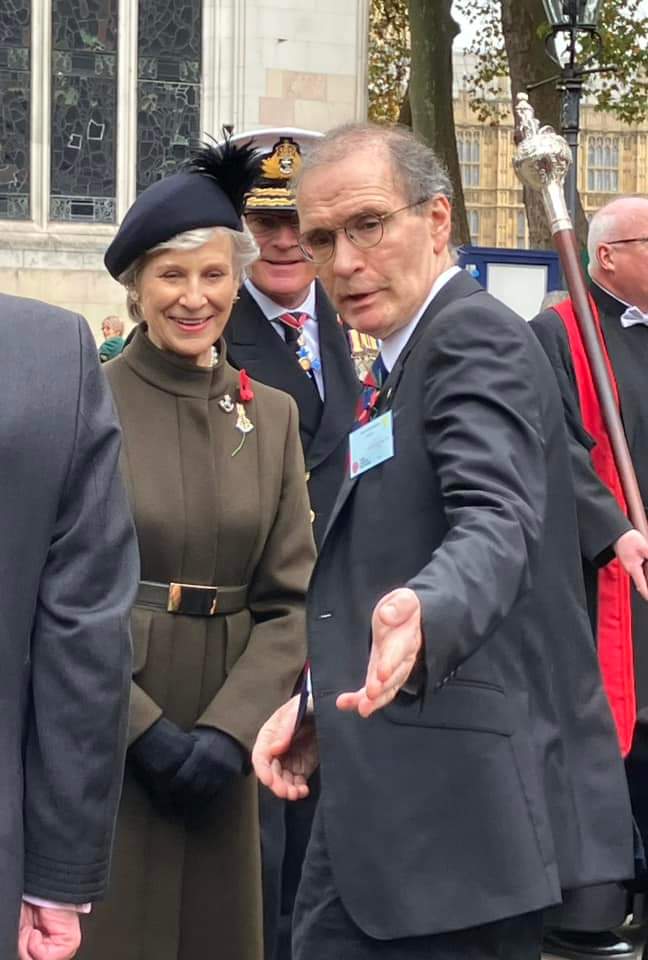
SCS Chair, Alan Wakefield presenting the British Salonika Army plot to The Duchess of Gloucester at the opening of the RBL Field of Remembrance, 7 November 2024.
So, with the festive season now upon us, the Committee takes a short break before beginning to plan activities for 2025. It now simply remains for me to wish you all best wishes for Christmas and the New Year. Let’s use 2025 to find opportunities to work and meet together to remember all those who served with the British Salonika Force and who remain at the heart of our fellowship.
Alan Wakefield
Chair, The Salonika Campaign Society






 Salonika Campaign Society, 1915-1918