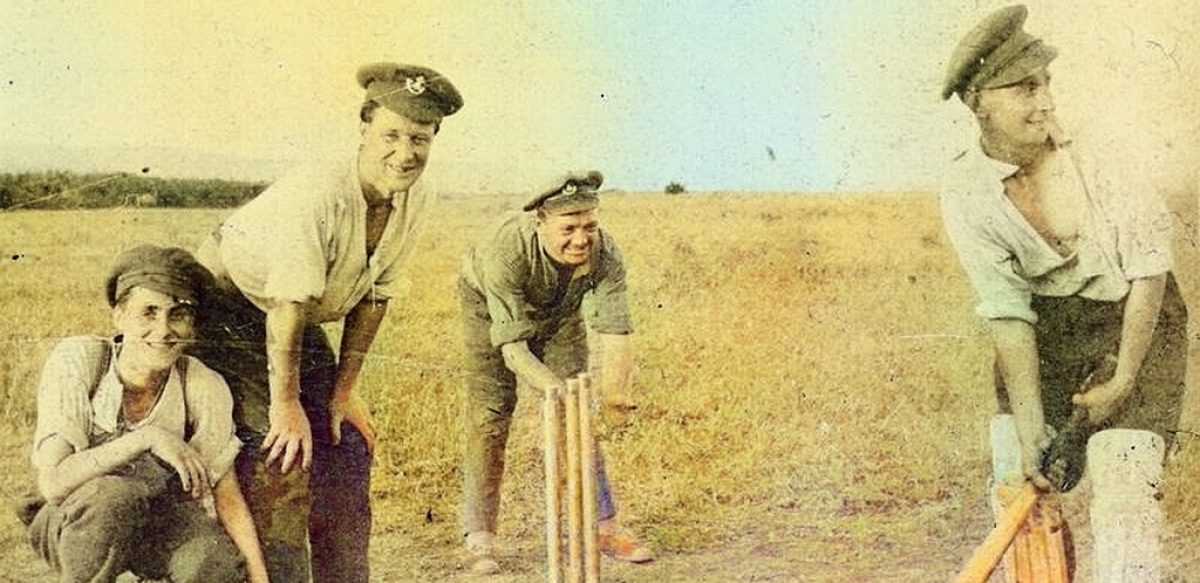
Andy's interest in the campaign comes from his grandfather, Arthur, who served in Salonika as a sapper with the Royal Engineers from 1916-1918.
Opinions expressed in these posts are personal and do not necessarily reflect the views of the Society.
Colonel Nick Ilić MBE QGM, and former British Defence Attaché in the Embassy in Belgrade, will give a talk on the Second Serbian Campaign of 1915 at the National Army Museum, London, SW3 4HT, on Thursday, 20 November, at 2pm.
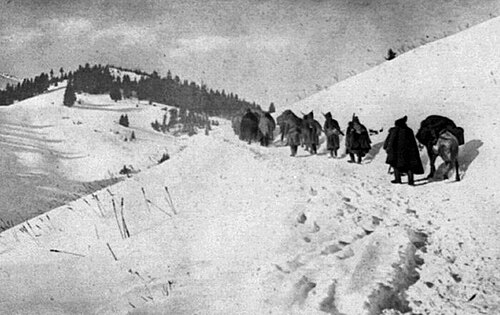
The talk will cover the arrival of the British and other international missions in Serbia, the Typhus epidemic, and the October 1915 invasion of Serbia that led to the Serbian Army’s epic retreat across the mountains to the Adriatic.
The talk will last about an hour. If you have attended a talk given by Nick in the past, you will know how informed, informative and interesting the talk is going to be.
Admission is free, but please let Nick know by 18 November if you plan to attend.
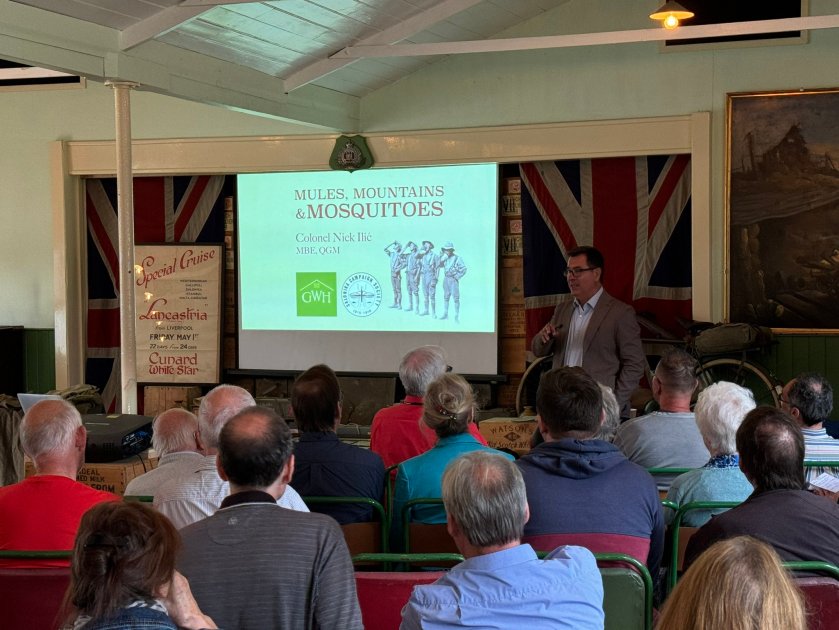
Nick presenting at the Salonika Study Day, Great War Huts, August 2024
As many members will already be aware, the Society’s journal, The New Mosquito, has not yet arrived on doorsteps as expected. We sincerely apologise for this delay and wish to assure you that every effort is being made to complete dispatch at the earliest opportunity. We thank all members for their patience and continued support.
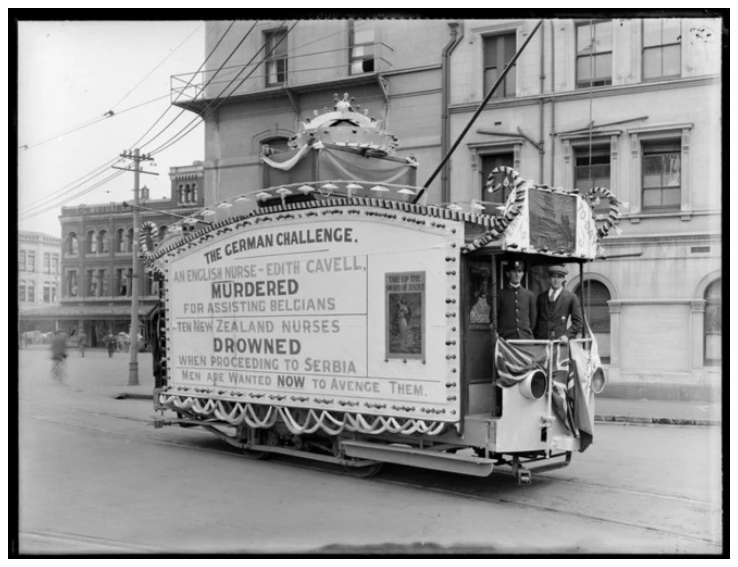
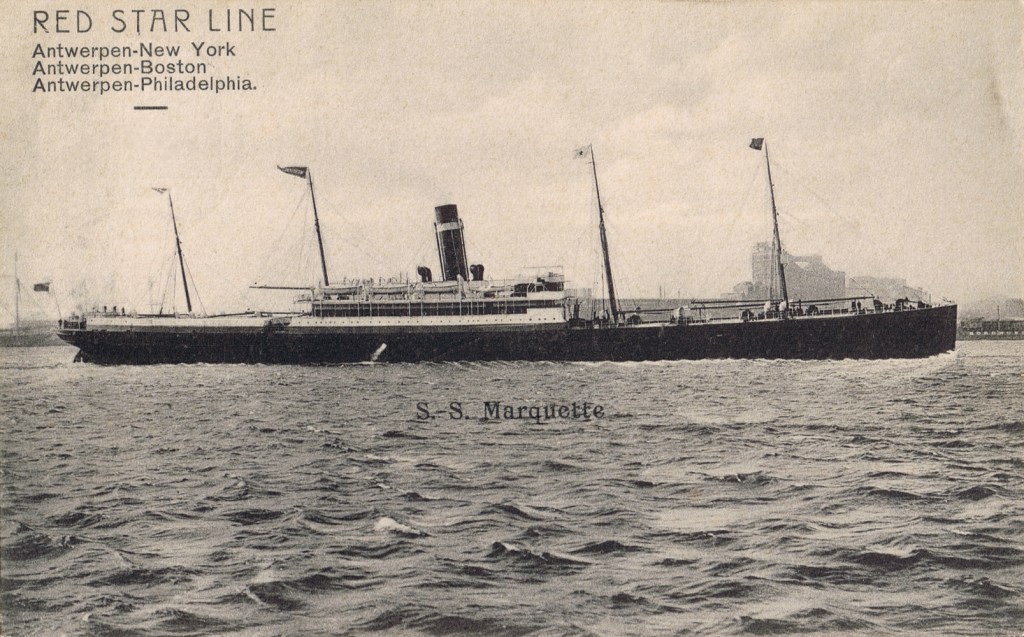
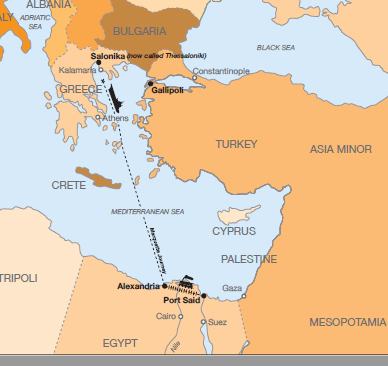
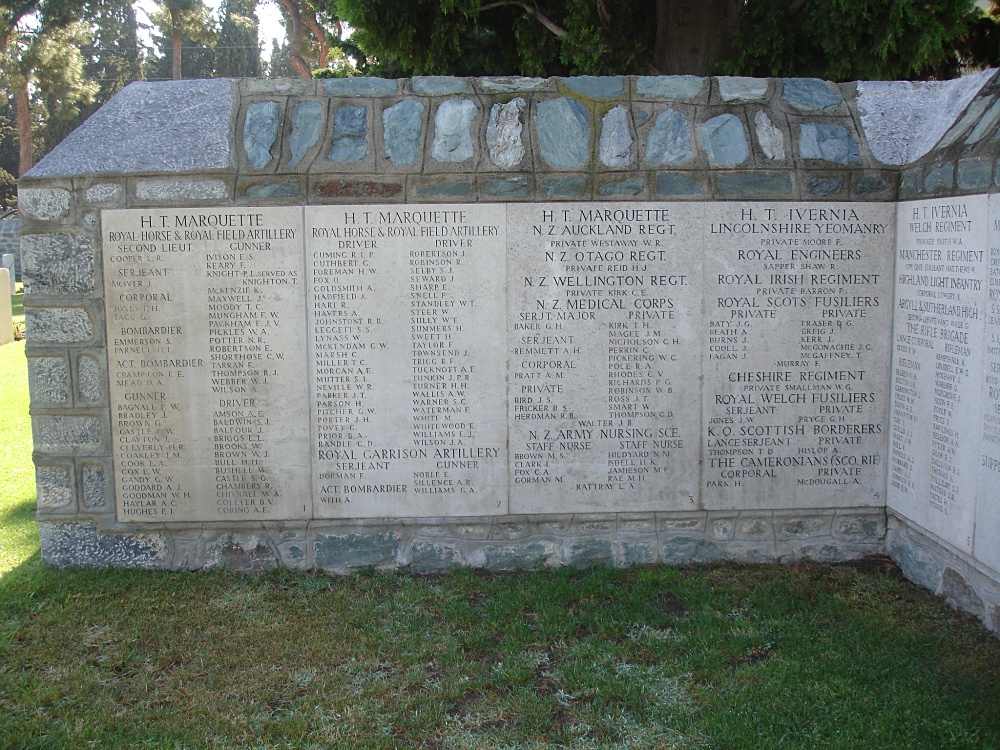
A little over 110 years ago, on Saturday 23 October 1915, the British transport ship Marquette was torpedoed by the German submarine U-35 as it entered the Gulf of Salonika. The ship sank within ten minutes. Of the 741 people on board, 167 died, including 32 New Zealanders – ten of whom were nurses.
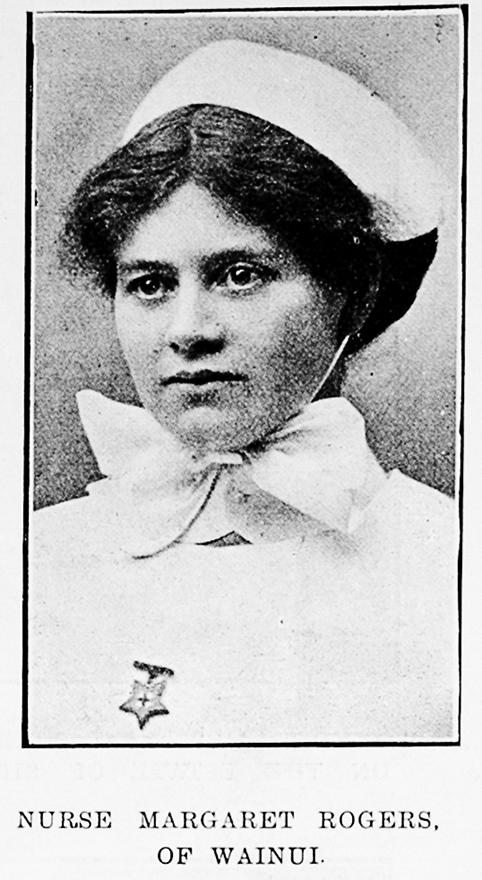
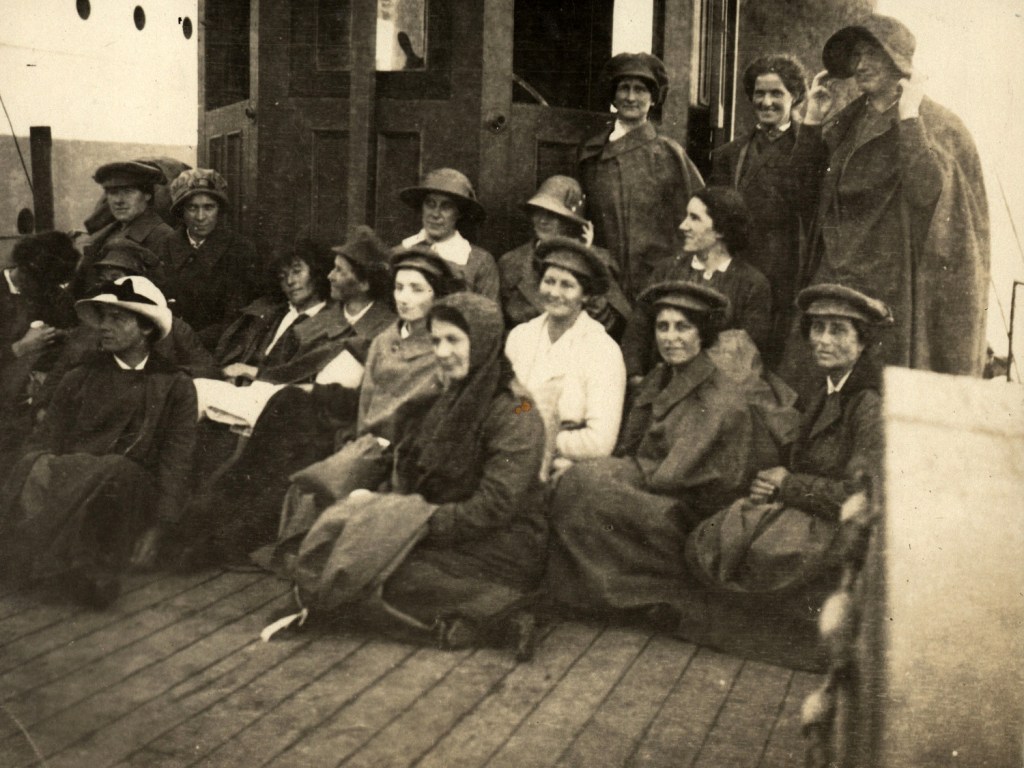
Most of the New Zealanders aboard were members of the 1st New Zealand Stationary Hospital. They had been serving in Egypt, treating casualties from Gallipoli, and were being transferred to support Allied operations in the Balkans. Among them was Staff Nurse Margaret Rogers, who had enlisted only months earlier in July. Indeed, The New Zealand Army Nursing Service was itself new and only established early in 1915.
When it departed from Alexandria on 19 October, it carried medical personnel, British troops, over 500 mules, and ammunition. Although accompanied by a French destroyer during part of the journey, the escort departed the day before the attack.
At approximately 9:15 a.m., witnesses reported sighting a torpedo shortly before it struck the starboard side of the ship. The impact caused the vessel to list sharply. Despite the suddenness of the event, many accounts describe those on board as remaining orderly.
Efforts to launch lifeboats were largely unsuccessful. Inexperienced personnel, the angle of the sinking ship, and mechanical difficulties led to lifeboats capsizing or being damaged. Several nurses and soldiers were killed during these attempts. It is believed that Margaret Rogers lost her life in this phase of the evacuation.
Ten New Zealand nurses and 22 men from the New Zealand Medical Corps and No. 1 Stationary Hospital died.
Survivors spent several hours in the water, exposed to cold conditions and exhaustion. Some clung to wreckage; others assisted colleagues unable to swim. Rescue vessels, including British and French destroyers, arrived later in the day. Six days later,on the 29th October, all surviving nurses and some medical officers returned to Alexandria on the hospital ship, the Grantully Castle.
The sinking of the Marquette led to outrage about the decision to transport medical personnel on a vessel carrying ammunition and troops rather than on a hospital ship. Marked with a red cross, hospital ships could sail with a much greater degree of safety with the protection of the Geneva Convention. The troopship was, for German submarines, a valid target.
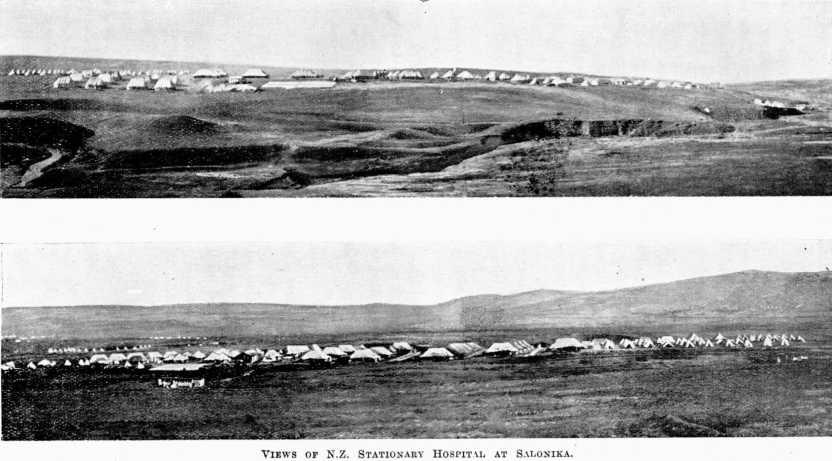
One can only imagine the emotions of the survivors as they undertook the journey to Salonika again later in the year in order to establish a tented hospital at Lembet Camp. The hospital was in operation until March 1916, when it left for France.
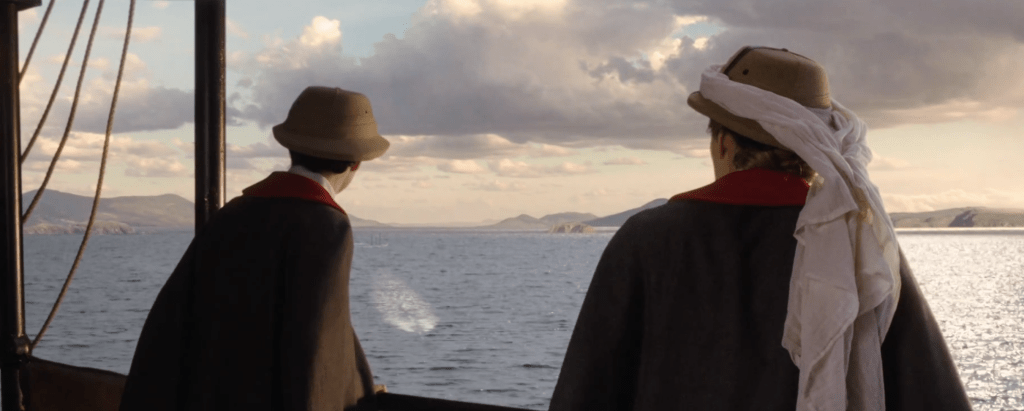
The events of 23 October 1915 are also dramatised in the Australian TV series, ANZAC Girls, which until December 31st, 2025 is freely available to view here.
Wreckage of the Marquette was found in May 2009 by a Greek dive team. It rests in 87 metres of water of the Thermaikos Gulf in the North Aegean Sea. A protection order for the wreck has been sought by The British Embassy in Greece.
Members of the Society may well be aware, from the notice in the New Mosquito No.51 earlier this year, that the Society’s AGM will be held online via Zoom at 7.30pm on Monday 27 October.
All members have today been sent an email with details of how to enter the online AGM. If you haven’t received this, please check your Junk/Spam email folder. Failing that, please send us a message and we will get the details to you.
We look forward to seeing you in the meeting on Monday.
Those in London, or able to visit, on Saturday 18 October are warmly invited to attend the screening of By Far Kaymakchalan, a newly completed documentary by Australian writer and historian Bojan Pajic. The one-hour film will be shown from 3:00 to 5:00 pm in Room KIN 204, King’s College London, King’s Building, Strand Campus, WC2R 2LS.
Bojan Pajic is the author of two books examining the experiences of Australians and New Zealanders who served with Serbian forces during the First World War. By Far Kaymakchalan builds on his previous work and combines archival material, personal testimonies, and historical analysis to illuminate the shared history of these Allied nations. The event, hosted by Dr Stephen Morgan, Lecturer in Film Studies at King’s College London, will be followed by a discussion with Bojan Pajić.
Filmed in Australia, Serbia, Greece, and North Macedonia over a period of eighteen months, By Far Kaymakchalan is based on Pajić’s research that has revealed that more than 1,500 Australian and New Zealand volunteer doctors, nurses, ambulance drivers, soldiers, sailors, and aircrewserved alongside Serbian forces during the war.
Full details of the event are available via this link.
NB For security reasons, King’s College London requires a list of attendees to be submitted 24 hours in advance. If you are thinking of attending, please don’t forget to register beforehand.
This screening offers a rare opportunity to engage with a significant and often overlooked chapter of First World War history, and to hear directly from the researcher and filmmaker who has dedicated much of his work to bringing these stories to light.
Once again, the Society extends its sincere thanks to SCS member Keith Roberts for the compilation and dedicated annual updates of the only comprehensive bibliography of English-language publications related to the Salonika Campaign.
The bibliography is freely available for members and non-members alike. We only ask that, if it is shared with others, credit is given to the Salonika Campaign Society. The bibliography is available in a variety of formats here.
The bibliography is updated and released each year on this significant day – September 29th – which today marks 107 years since the signing of the Armistice of Salonica. The armistice brought Bulgaria’s involvement in World War I to an end.
The Society’s 2025 tour (Sunday 21st to Tuesday 30th September) of the British Salonika Force battlefields is now well underway – with battlefield studies, cemetery visits and acts of commemoration. This year the tour has a special focus on artillery and small-scale operations.
The tour began with a Ceremony of Remembrance at Kirechkoi-Hortkoi cemetery, with a wreath laid by Patron of the Society, the Honourable Ann Straker, before moving on to Triada village for an introduction on the BSF in the Struma Valley and the role of artillery on that part of the front.
You can follow the progress of the tour on Facebook here.
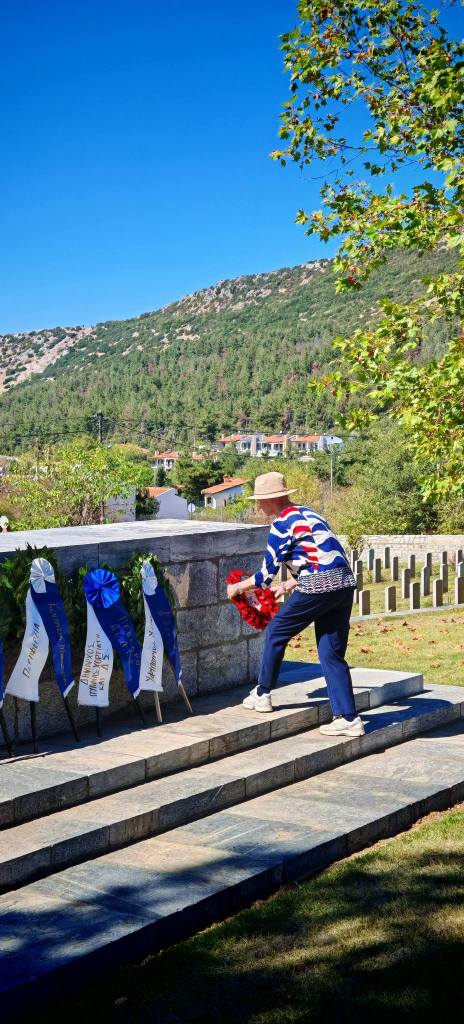
Patron of the Society, the Honourable Ann Straker, lays a wreath at the Ceremony of Remembrance at Kirechkoi-Hortkoi cemetery
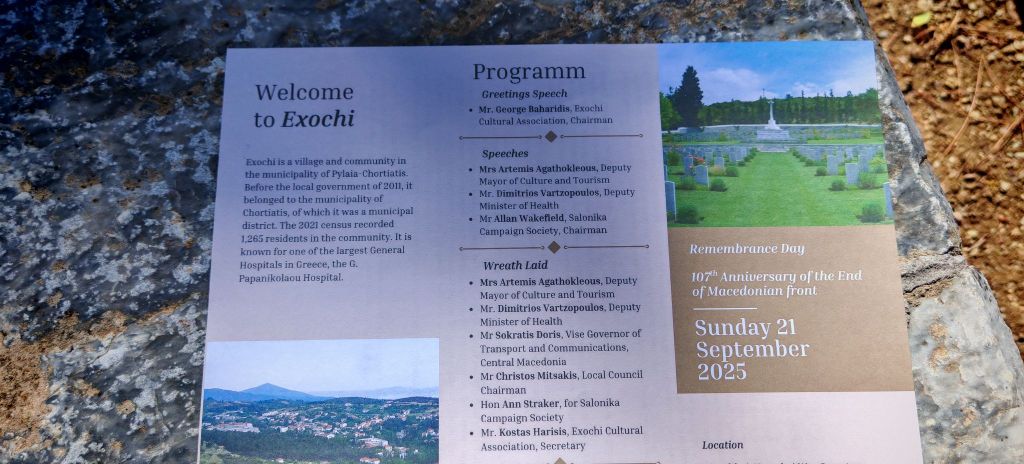
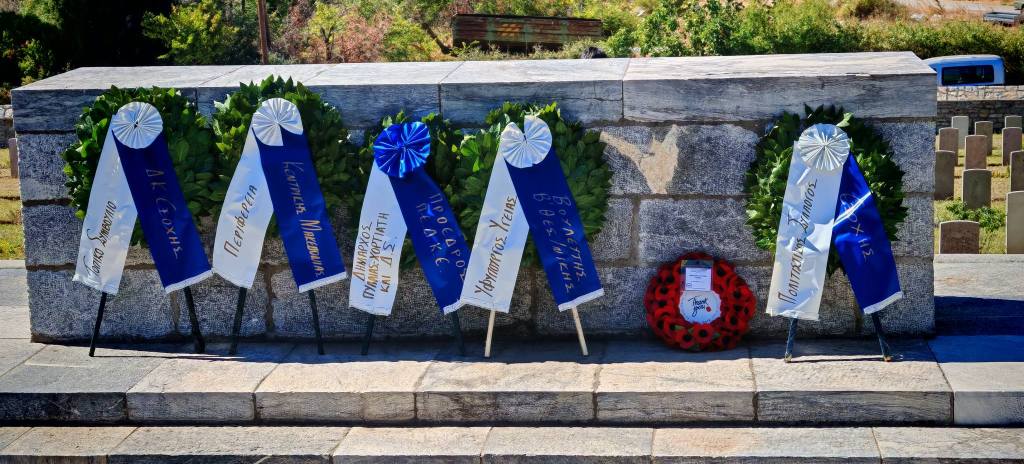
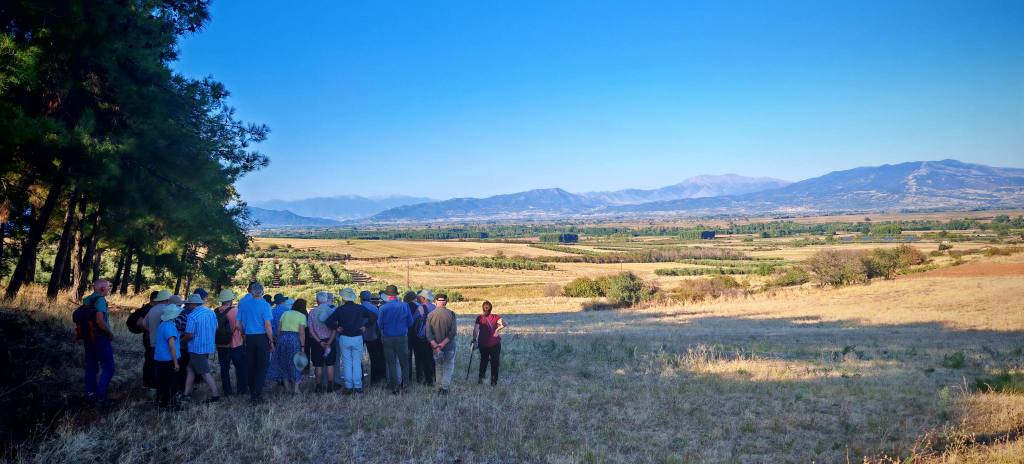
Programme for the Ceremony of Remembrance at Kirechkoi-Hortkoi cemeteryMemorial Wreaths at Kirechkoi-Hortkoi cemeteryTour members begin their site visits
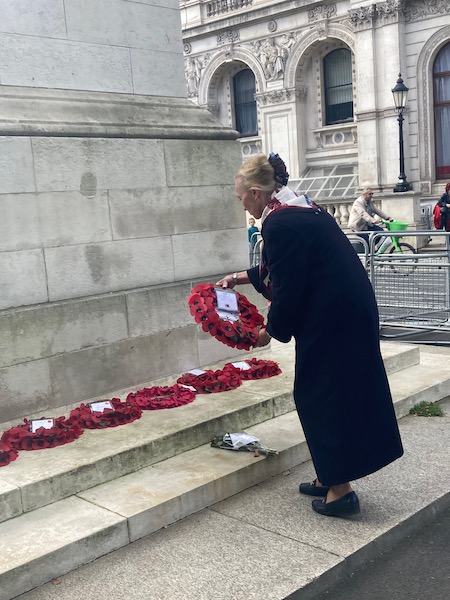
Just a quick reminder that the SCS Annual Meeting takes place at the Civil Service Club, London on Saturday, 11th October 2025. Prior to the meeting, we will be gathering at The Cenotaph, Whitehall at 11:30 for a short commemorative ceremony.
October 2024: Patron of the Society, the Hon. Ann Straker, lays the poppy wreath at the Cenotaph (photo by Vernon Creek).
There then follows the opportunity for lunch at the club before the meeting starts at 12:30 with a series of talks:
Dr. Jake Gasson, Salonika: The Battle Against Boredom.
Chris Loader, 10th Battalion The Hampshire Regiment: The OG Salonika Battalion.
Alan Wakefield, Balkan Gunners: Some Aspects of the Artillery War in the Salonika Campaign.
The cost of the annual meeting is £10.00 per person, excluding lunch. Please note, advance booking is required (by September 20th 2025) as availability of seats is strictly limited.
Full details of the meeting and how you can reserve your place can be found here.
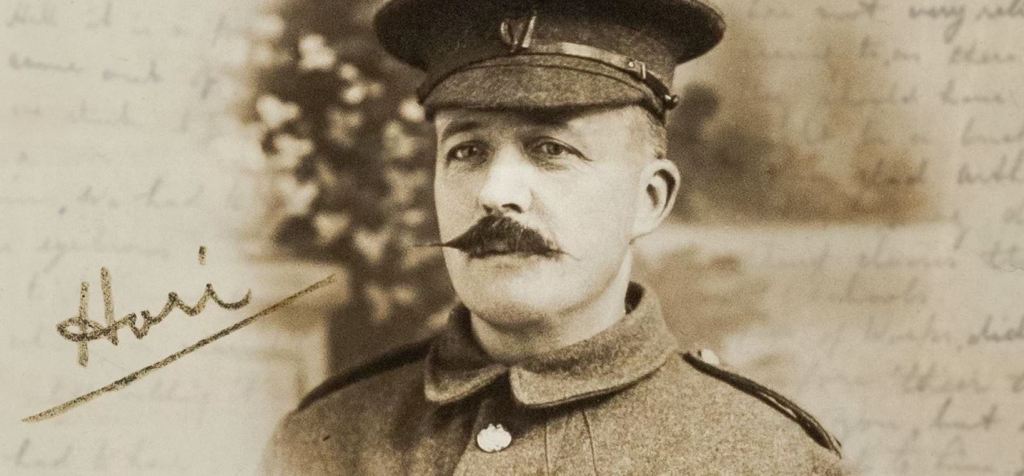
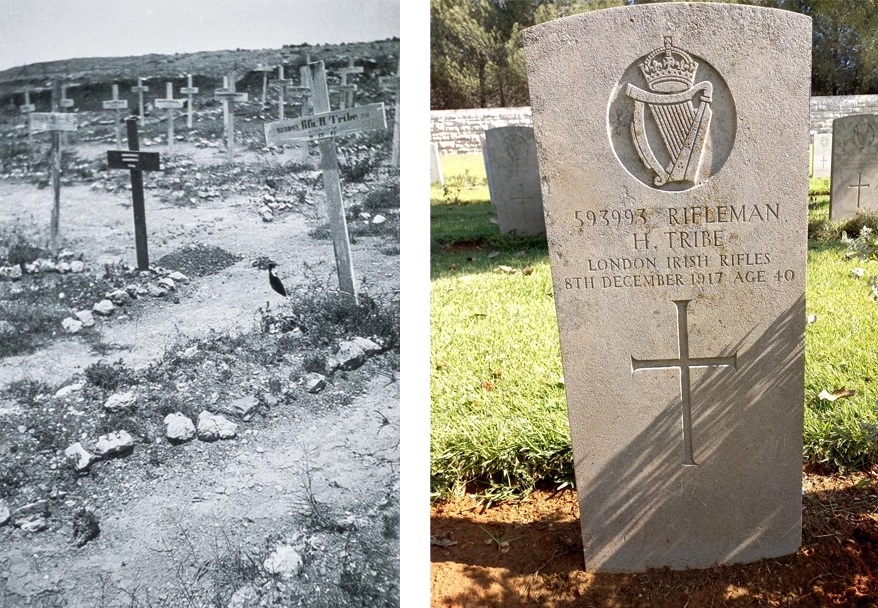
I’ve only recently discovered a fascinating and beautifully presented online exhibition commemorating the life of Hori Tribe (1877-1917), an employee of The Royal Parks who served in Salonika before transferring to the Egyptian Expeditionary Force (EEF) in June 1917.
The exhibition, co-curated by the Royal Parks and Hori’s great-granddaughter, Sarah Gooch, has a wonderful and moving collection of photos, drawings and extracts from Hori’s letters.
I certainly won’t attempt to retell Hori’s story here, instead I recommend a visit to the digital exhibition. It is definitely worth a visit and a few moments of your time.
With the EEF since June and now, at the start of December 1917, Hori had two days’ rest at a monastery just outside of Jerusalem. In the final letter he sent home, Hori included some rosemary – associated with remembrance:
‘The pieces of rosemary included I picked from a hedge in the grounds of the monastery.’
Hori spent two days at the monastery just before his last battle.
Hori was killed in action on 8 December 1917. He is laid to rest at the Jerusalem War Cemetery.
Remembering Hori Tribe – A digital exhibiton celebrating the life of Hori Tribe (1877-1917), an employee of The Royal Parks who was killed in action during the First World War.
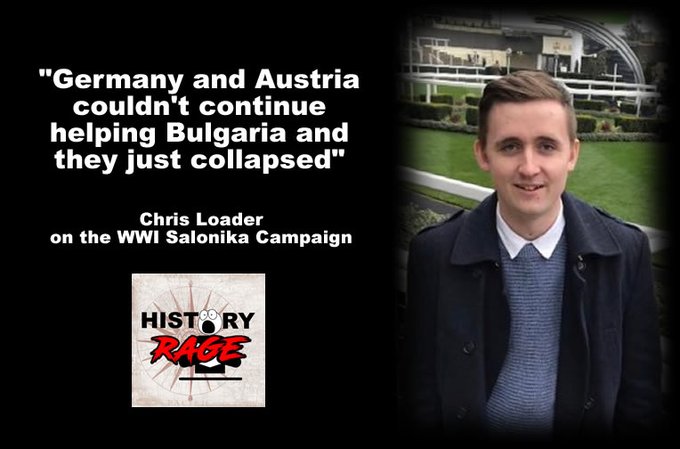
SCS Secretary Chris Loader recently recorded (on July 28th) a new podcast as part of the History Rage series in which he shares his personal connection to the Salonika Campaign, through his family history, and discusses the background and complexities of the war in Greece.
You can listen to the podcast here (or via the image below):
The podcast is also available via these other podcast channels: