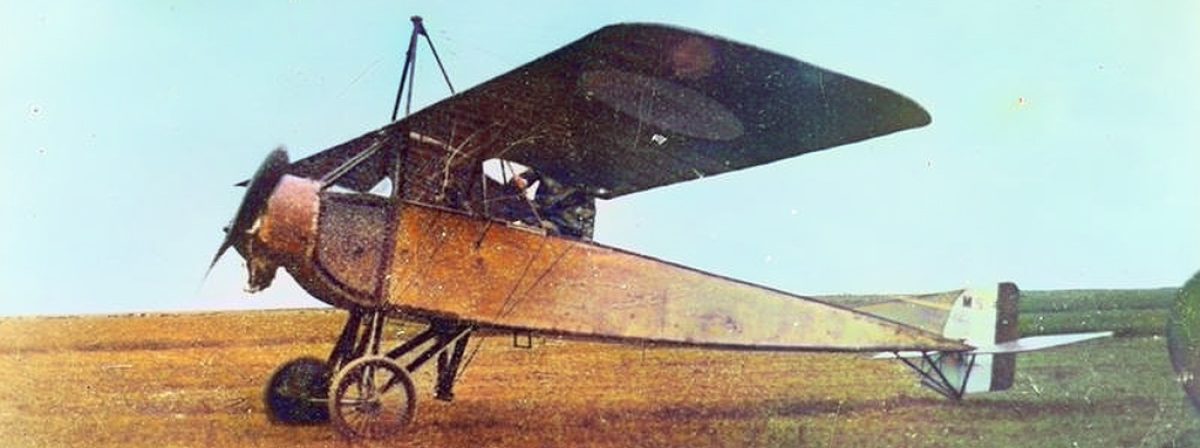
Dr Isobel Tate

‘X’ (formerly Twitter) is not a favourite medium of mine but it can, in some circumstances, be an informative and interesting forum. In the past year the Society has set up an account and we have managed to both share and learn from this online community. For example, in a series of posts, @DanielJPhelan (Speaker, tour guide, & EOHO volunteer for @CWGC ) shared a thread about a discovery while on holiday in Malta. During his stay, Dan visited Pieta Military Cemetery and it was there that he found the grave of Dr Isobel Tate.
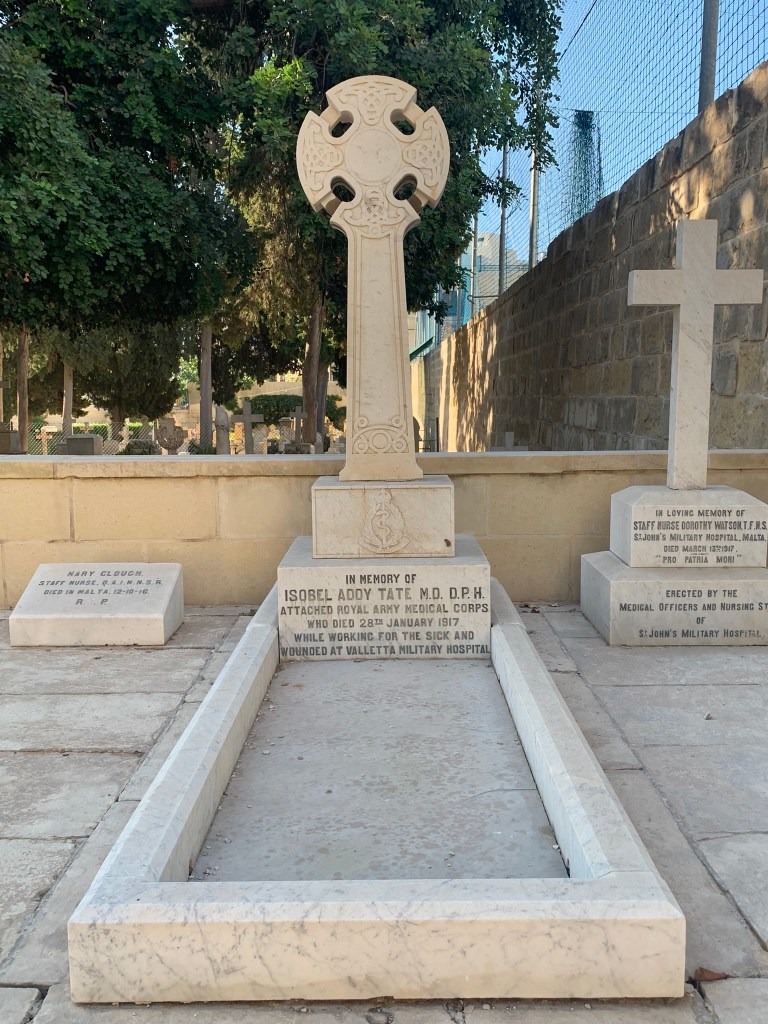

On his return home, Dan researched and shared his findings in a series of posts and images on X (Twitter). Thanks Dan for sharing your research!

“Isobel Addey Tate was born, around 1874, in Country Armagh, Northern Ireland. At a time when female doctors were rare, she studied medicine at Queens University, Belfast graduating in 1899. Continuing her studies, she qualified as a Doctor of Medicine in 1902.
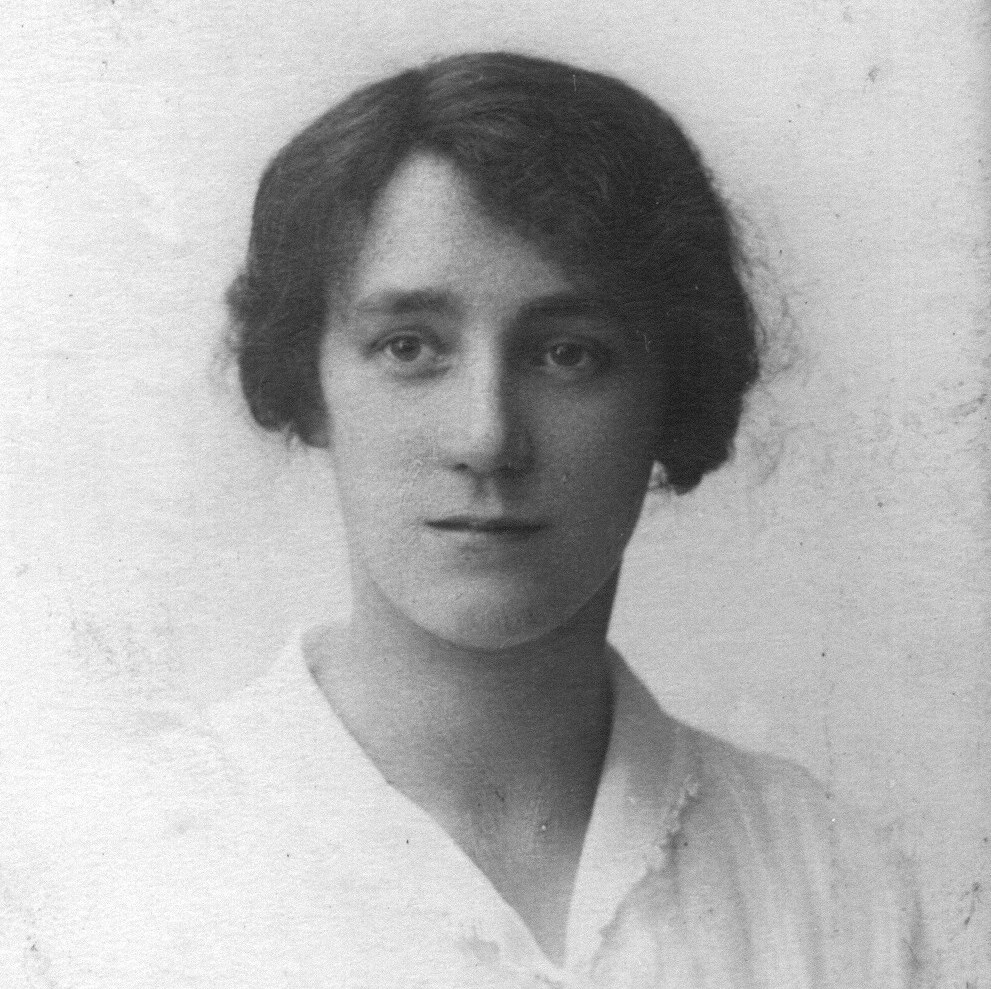
After qualifying, a huge achievement, she moved to England and held a number of positions in hospitals and medical institutions. However, it seems pursuing her career in medicine was not easy…
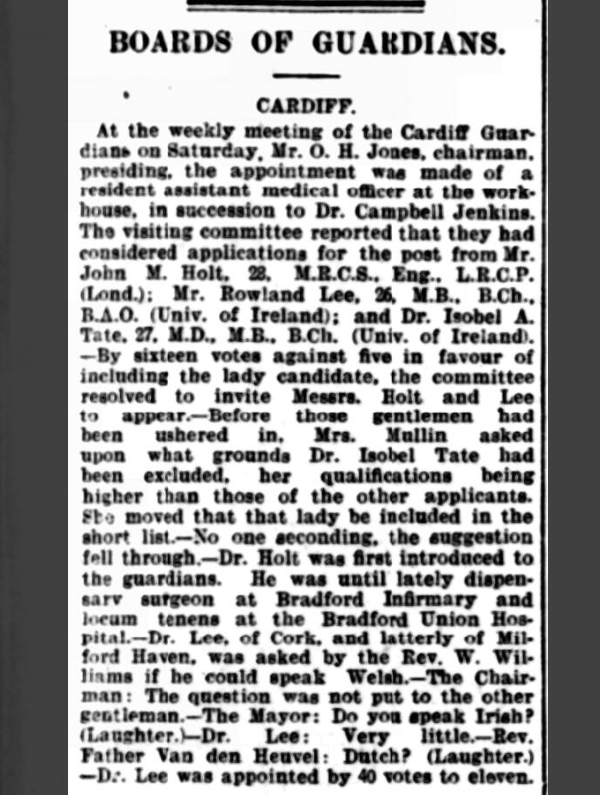
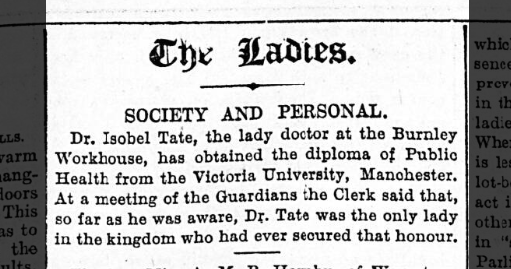
In 1904, while working at the Burnley Workhouse, Dr Tate obtained a Diploma in Public Health from Victoria University, Manchester. It was thought at the time that Dr Tate was the only lady in the kingdom who had ever secured that honour.
In 1915, with the Great War being fought, Dr Tate volunteered to serve with the Serbian Relief Fund. The relief fund was set up and commanded by Mrs Mabel St Clair Stobart. It had seven women surgeons and doctors, which included Dr Tate.

While serving with the Serbian Relief Fund, Dr Tate contracted typhoid and returned home to convalesce. Once well again she became a radiographer at Graylingwell War Hospital, near Chichester. Feeling she ‘was not doing enough’ Dr Tate offered to go abroad again.

Isobel Tate volunteered for service with RAMC and embarked for Malta in August 1916. In Malta she treated sick and wounded servicemen, including casualties from Gallipoli and Salonika. While working at Valletta Military Hospital she became ill. Sadly, on 28th January 1917, Dr Isobel Tate succumb to her illness and died of typhoid fever.

The funeral of Dr Isobel Tate took place on Tuesday 30th January 1917. Her flag-draped coffin was carried by medical officers, flanked by two lines of wreath carrying NCOs from the RAMC. The firing party contained 40 men of the Royal Garrison Artillery. A lengthy train of medical officers, officers from other units, and local members of the medical profession followed her coffin. At the graveside assembled ‘lady doctors’, principal matron, matrons, sisters, and nurses, from all hospitals and camps on the island.

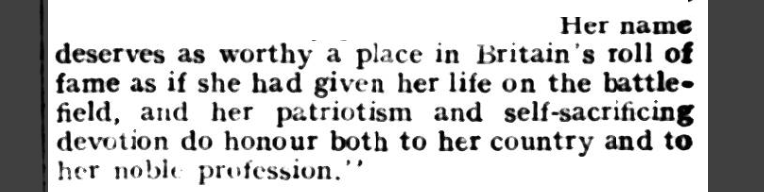
It’s incredible to think that Isobel Addey Tate lived, served, and achieved so much, in an era before women even had the vote. I think this quote from a newspaper at the time is very fitting.”
You can read the complete thread from Dan on Twitter @DanielJPhelan:

The nature of ‘social media’ does not really allow for detail and detailed discussion, so Dan’s account of Isobel Tate’s life is necessarily short. If you would like to read more about her life, and the challenges she and other women faced, there is a more in-depth examination here.
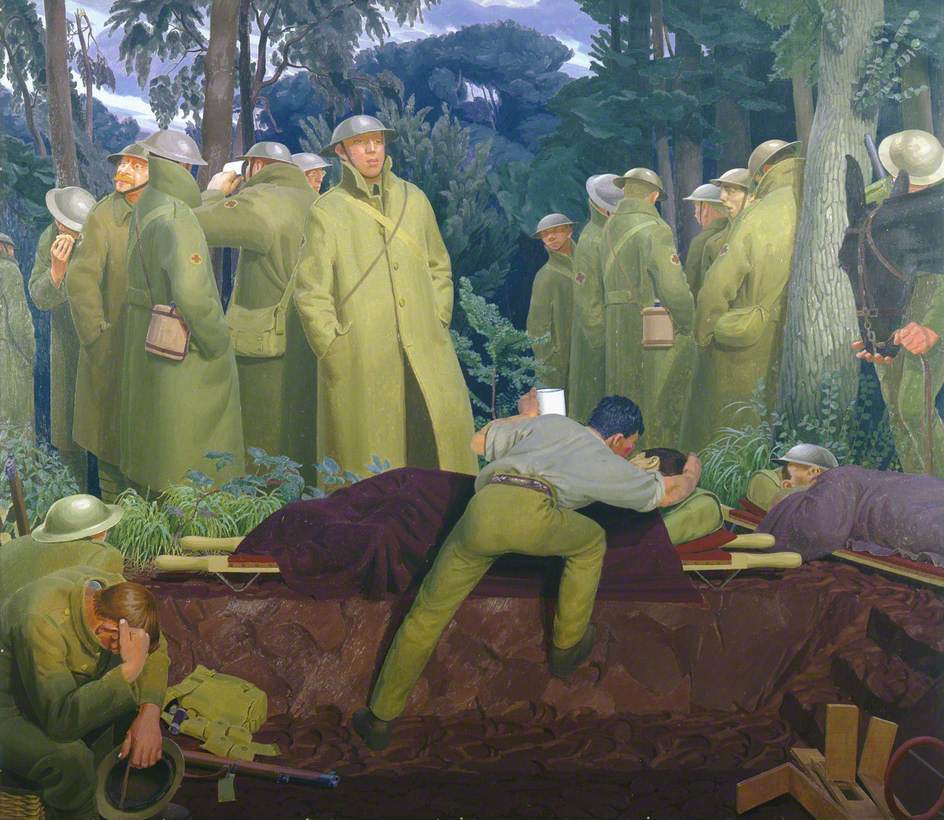
Advanced Dressing Station on the Struma 1916 (Henry Lamb)

I’m grateful to a recent correspondent with the Society for bringing to attention (to me at least!) the work of artist Henry Lamb. In 2014, the Whitworth Art Gallery in Manchester had an exhibition, The Sensory War, to mark the 100th anniversary of WW1. One of the works exhibited was by Lamb: Advanced Dressing Station on the Struma 1916

Ana Carden-Coyne, who co-curated the exhbition Visions of the Front 1916-18, for the Somme centenary also featured the painting and describes it in this way:

“The scene of a dressing station focuses on the relationship between a wounded man and a stretcher-bearer, who attends him with a cup of water, a great relief that many soldiers wrote about as the comfort given between men. Thirst and cold were understood much later in the war as signs of hemorrhage and shock. The bearer’s hand gently touches the wounded man’s head, providing comfort symbolic of the pietà (Christian iconography of Mary cradling Jesus’ corpse). Indeed, the pietà was often used in war-time humanitarian images of nurses caring for wounded men. But Lamb transforms the theme into an effigy of masculine care and the intimate brotherhood of shared suffering. Placed on the ledge of a shallow trench, the stretcher resembles an altar. In the right hand corner is a Thomas splint used for compound fractures, from which soldiers could die. Pathos is also created by the figure on the left, head in hand, perhaps affected by malaria, a common disease of this front, or perhaps a reference to psychological suffering. The central figure stands over the patient, staring pensively into the distance. Made three years after the end of the war, the composition of this painting symbolises the pain and succour of the entire conflict.”

There’s also discussion of the painting by one of the team at The Whitworth here:

Henry Lamb was born in Australia in 1883 and educated at Manchester Grammar School, before studying medicine at Manchester University Medical School and Guy’s Hospital in London. He abandoned medicine in 1906 to study painting at the Chelsea School of Art but “with the outbreak of the first world war Lamb returned to his study of medicine and served as a doctor in the Royal Army Medical Corps in France, Salonika and Palestine where he was awarded the Military Cross. He was not an official war artist but was always sketching and drawing in spare moments. These sketches with memories from his time on the Macedonian Front and the Palestine campaign formed the basis of large-scale paintings made after the war. ‘Irish Troops in the Judaen Hills’, now in the Imeperial War Museum, and ‘Advanced Dressing Station on the Struma’ for Manchester City Art Gallery are amongst the most extraordinary of his career. In 1928 he married Lady Pansy Pakenham and moved to the quiet Wiltshire village of Coombe Bissett where they would remain for the rest of their lives. Lamb was appointed an official war artist for the second world war and after first wanting to document the war cabinet decided on portraits of soldiers and studies of servicemen at work across the South of England. At the same time as his appointment as a war artist Lamb was elected as an associate of the Royal Academy and a Trustee of both the National Portrait Gallery and the Tate. He was finally awarded full membership of the Royal Academy in 1949.” Sources here and here.