
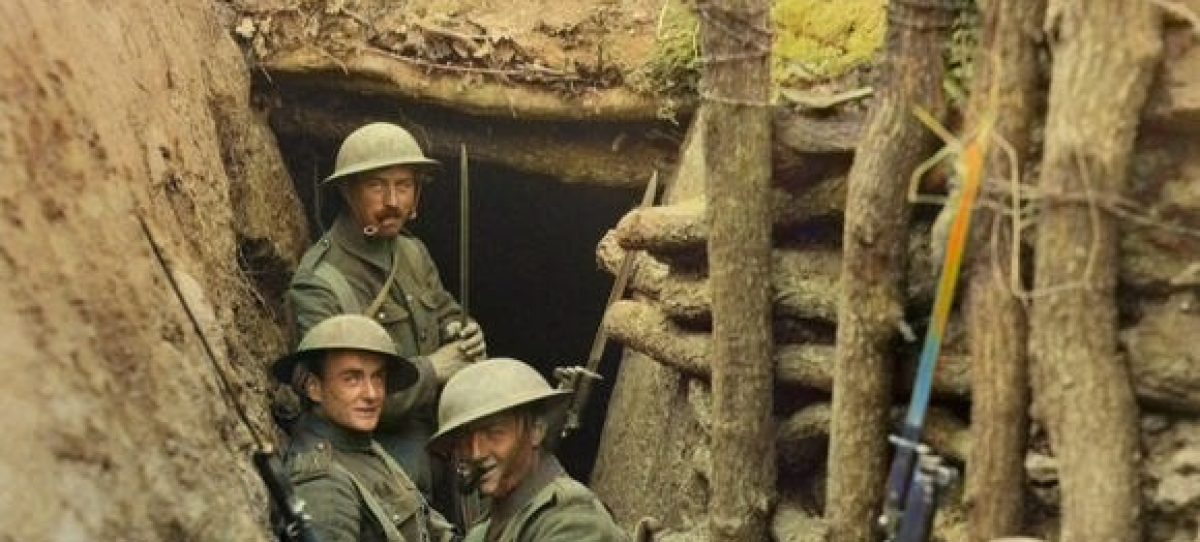
Poems by Edward G Evans – Chaplain, 10th (Irish) Division – published in The Mosquito, No. 7 September 1929
Continue reading “Remembering Salonika”Author: Robin Braysher
Robin's interest in the campaign comes from his grandfather, Fred, who served as a cyclist with the BSF from 1915 to 1917, mainly in the Struma valley where he caught malaria and dysentery. Robin joined the SCS in 2003 and served on the committee for 18 years as journal and then web editor. Opinions expressed in these posts are his and do not necessarily reflect the views of the Society.
We Will Remember Them …
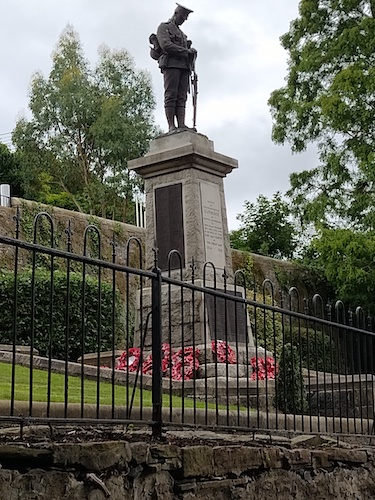
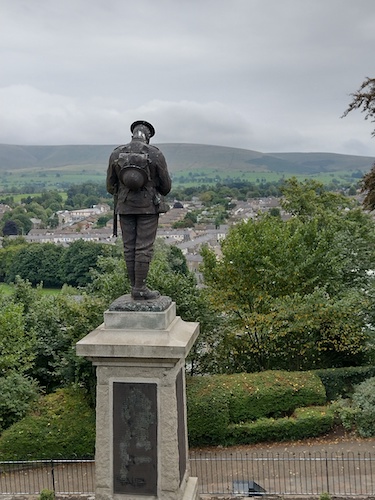
Photographs of the impressive war memorial at Clitheroe Castle in Lancashire. Clitheroe was in the recruiting area of the East Lancashire Regiment which provided a battalion – 9th (Service) Battalion – for the British Salonika Force (22nd Division, 65th Brigade), which was formed in Preston in September, 1914.
Dr Anthony Clayton, 1928-2021
The Society was sorry to learn of the death of Dr Anthony Clayton in August in his ninety-third year.
Continue reading “Dr Anthony Clayton, 1928-2021”Expert talk on the Battle of Verdun by Tim Cockitt on Friday 8th October at 6.00pm via Zoom
This was the longest battle of WW1, from February 1916 through to December 1916. The British were not directly involved, and the battle is not so well understood in UK, compared to the Somme.
Continue reading “Expert talk on the Battle of Verdun by Tim Cockitt on Friday 8th October at 6.00pm via Zoom”The 4th best church in the UK …
… is Sandham Memorial Chapel! That’s the opinion of Rachel Morley, Director of Friends of Friendless Churches. She was a guest of the podcast series, The Rest Is History, presented by historians Tom Holland and Dominic Sandbrook on 13 September. Rachel’s task was to list her top ten British churches, which is quite a task given that there are more than 16,000 in England alone!
Continue reading “The 4th best church in the UK …”Two sisters of the Scottish Women’s Hospitals
The Society has received an enquiry about two sisters who served with the Scottish Women’s Hospitals in the Balkans. If you can help with this, please either add a comment to this post or use the ‘Contact Us’ form.
Continue reading “Two sisters of the Scottish Women’s Hospitals”The Burma Mule
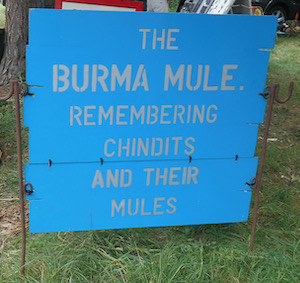
Having recently read two books about the second Chindit expedition in Burma (March-August 1944) I was delighted – if a little surprised – to come across a living history group, The Burma Mule, at a ‘Desert Rats’ commemorative event in Thetford Forest.
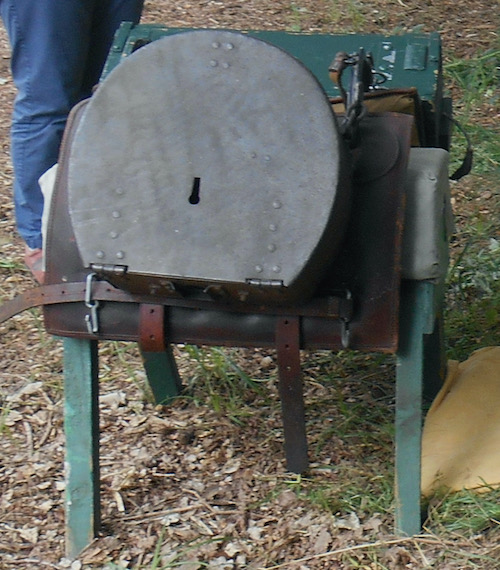
Unfortunately there were no mules present as their two 16 year old mules are now largely retired, but there was still much of interest. I was especially pleased to see mule saddles up close. Of relevance to the Salonika campaign is the one shown below, which is very similar to those used in the First World War. This could carry a variety of loads and you can see, here, a portable forge. Although date stamped ‘1940’ it is likely that similar kit – including a small anvil – was in use by earlier generations of mule transport units. Keeping the feet of mules and ponies in tip-top condition is, of course, vital for their well-being and efficiency.


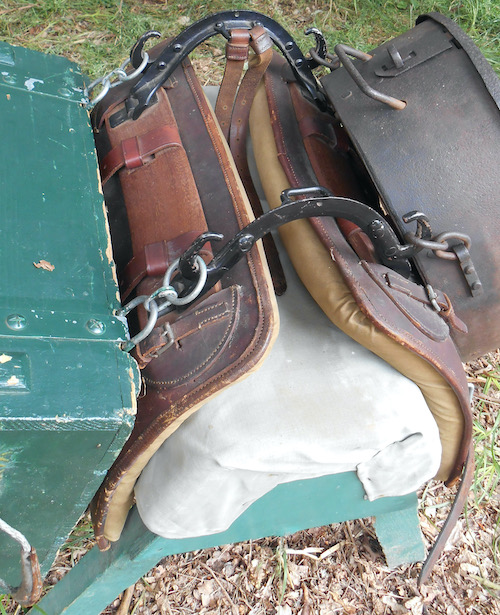
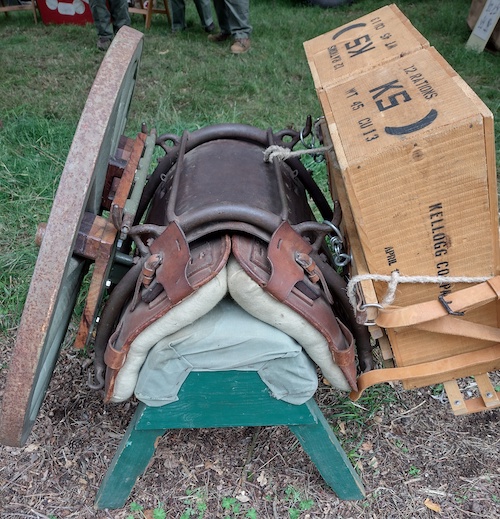
Their other saddle was of a later pattern with a rigid metal frame and was, apparently, less popular than the previous one. Whether this was with the mules or muleteers wasn’t clear! The load shown is illustrative only and, in reality, would have been more balanced, i.e. a pair of howitzer wheels or two loads of ‘K ration’ boxes.

You can find out more about The Burma Mule on their Facebook page.
To read more about the use of mules by the British (and Indian) Army, from the Peninsular War to 1975 – including detailed chapters on both world wars – I heartily recommend The Mule in Military Service, a slim paperback by distinguished military historian and SCS member, Anthony Clayton (The Book Guild Ltd, 2017). It looks like it is out of stock, so you may have to hunt for a secondhand copy.
If you’re interested, the books on the Chindit expedition that I read were:
- Chindit by Richard Rhodes James (1980)
- The Road Past Mandalay by John Masters (1961)
Well, it can’t all be about Salonika can it?
Great War Huts – Hospital Blues
The latest video offering from the excellent Great War Huts seems particularly relevant to the Salonika campaign – Hospital Blues: The British Hospital Uniforms of the First World War. Given the high sickness rates in the BSF, not to mention wounds and accidents, many men would have found themselves in hospital blues.
Continue reading “Great War Huts – Hospital Blues”Holst Victorian House (the birthplace of Gustav Holst) now open
We are pleased to hear from our friends at the Holst Birthplace Museum in Cheltenham that the museum is open to visitors.
The museum has now been ‘rebranded’ as Holst Victorian House. The aim is to broaden the appeal to visitors, immersing them in the experience of stepping back in time and being among the residents of a Victorian home – all whilst retaining the attraction for those interested in Holst and his music. To find out more – and how to book your visit – take a look at the museum website.
Continue reading “Holst Victorian House (the birthplace of Gustav Holst) now open”Lyn Macdonald podcast
Back in March I noted the death of distinguished First World War historian, Lyn Macdonald. Whilst I have read several of her books I had never heard her speak, so I was delighted when a talk of hers at the 2017 Chalke Valley History Festival was broadcast on the History Hits Warfare podcast. Entitled They Called it Passchendaele it’s a fascinating talk with some interesting thoughts on remembrance.
Continue reading “Lyn Macdonald podcast”
