
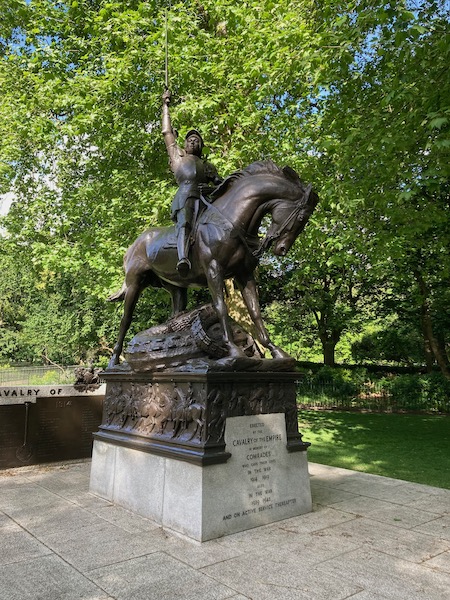
On a recent trip to London I took a stroll through Hyde Park and, for the first time ever, came across the dramatic Cavalry Memorial, unveiled in May 1924. A little under a year later, the first wreath laying ceremony was held at the memorial and, in 1927, the Combined Cavalry Old Comrades Association was formed. The Association has organised an annual parade and memorial service on the second Sunday in May, ever since.
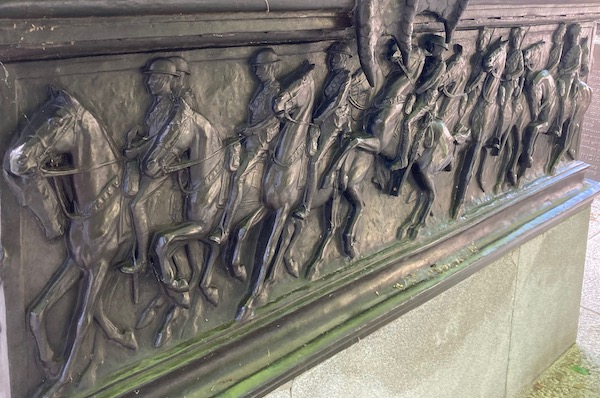
Around the base of the dramatic mounted statue are friezes depicting the cavalry of the First World War. Of course, no regular cavalry regiments served with the BSF (nor mounted troops from elsewhere in the Empire), instead the mounted arm was represented by units of Territorial (i.e. part-time) soldiers: the yeomanry. Depending on the season and when in the campaign, yeomanry in Salonika could be seen in service caps, slouch hats, sun helmets and steel helmets.


Behind the statue is a large plaque, listing the mounted regiments of the Empire which served in the First World War, including the yeomanry.


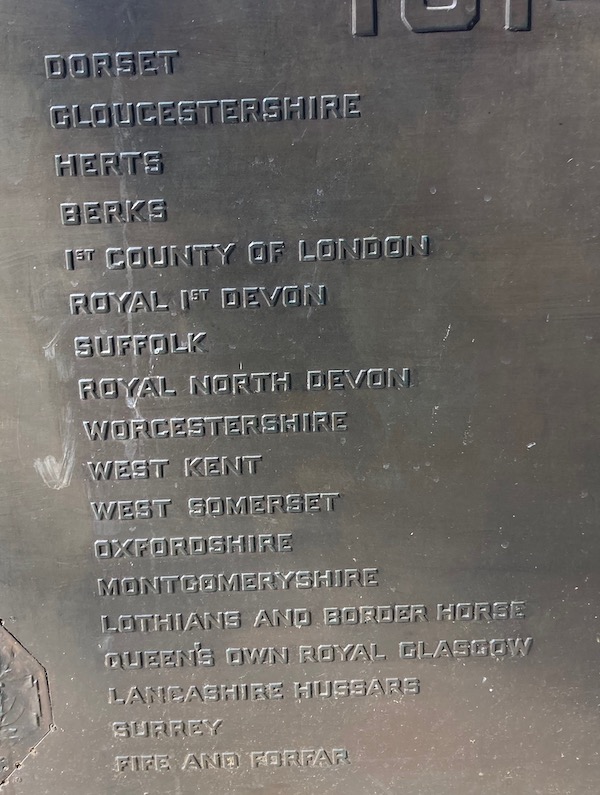
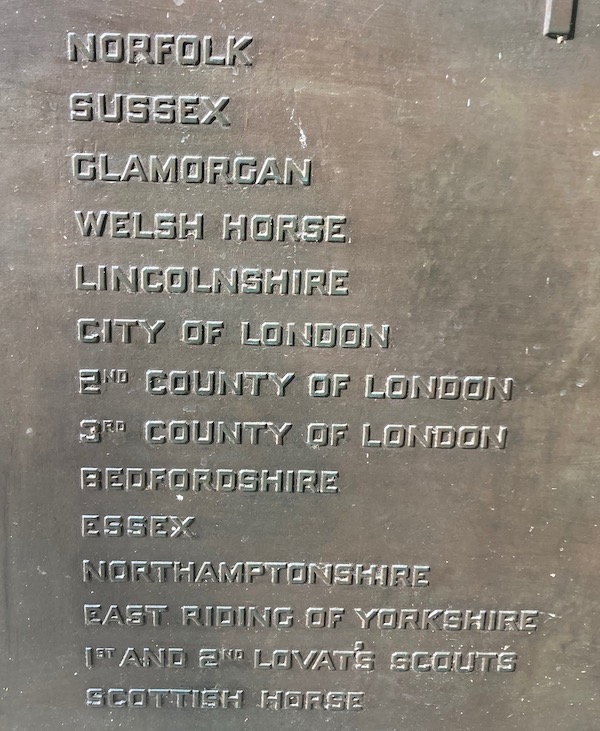
The yeomanry regiments which served with the BSF were (in no particular order):
- 1/1st Sherwood Rangers
- 1/1st South Nottinghamshire Hussars
- 1/1st Derbyshire Yeomanry
- 1/1st County of London Yeomanry
- 1/1st Lothians and Border Horse
- 1/1st City of London (Middlesex) Yeomanry
- 1/3rd County of London Yeomanry
- 1/1st Surrey Yeomanry
Two Scottish yeomanry regiments provided infantry battalions in the 27th Division:
- 13th (Scottish Horse Yeomanry Battalion), Black Watch
- 10th (Lovat Scouts) Battalion TF, Quenn’s Own Cameron Highlanders
In mid-1917 most of the mounted yeomanry sailed for Egypt and the campaign in Palestine, leaving the BSF with just the Derbyshire Yeomanry as ‘Army Troops’ and two small ‘Corps Mounted Regiments’, each of two squadrons – Lothians and Border Horse (XII Corps) and Surrey Yeomanry (XVI Corps) – which operated alongside their Corps Cyclist Battalions.
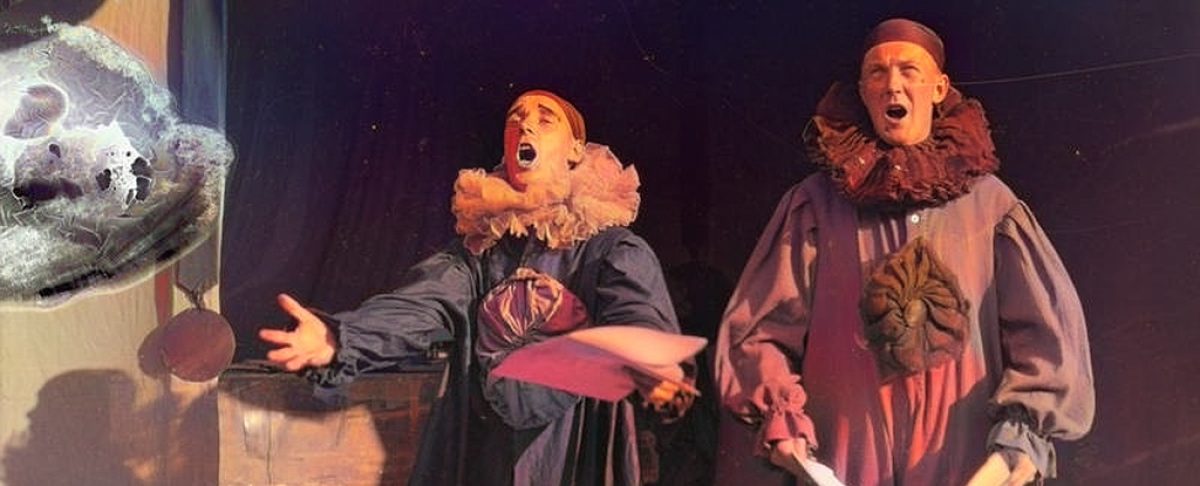
You may be wondering about the title of this post. Harry Tate (1872-1940) was a popular music hall comedian who performed sketches as a bumbling and clumsy, if good-natured, incompetent. It also became rhyming slang for ‘late’, then ‘plate’ and finally ‘state’ (as in a right state – not a nation!) – even the R.E. 8 biplane was known as a Harry Tate – but it was a rather derogatory nickname for the yeomanry. Harry Tate continued in popularity up to the start of the Second World War and his name was given to the Royal Naval Patrol Service – Harry Tate’s Navy – but that’s another story.
I can’t leave this slur on the yeomanry as the final though of this post, instead here’s the verdict of General Milne (Official History Vol. 2 p301):
Their only fault was their lack of numbers.

Discover more from Salonika Campaign Society, 1915-1918
Subscribe to get the latest posts sent to your email.
 Salonika Campaign Society, 1915-1918
Well Done again Robin. These little fragments of military history make the Macedonia World War 1 story come to life.
Thanks Harry. Best wishes, Robin