
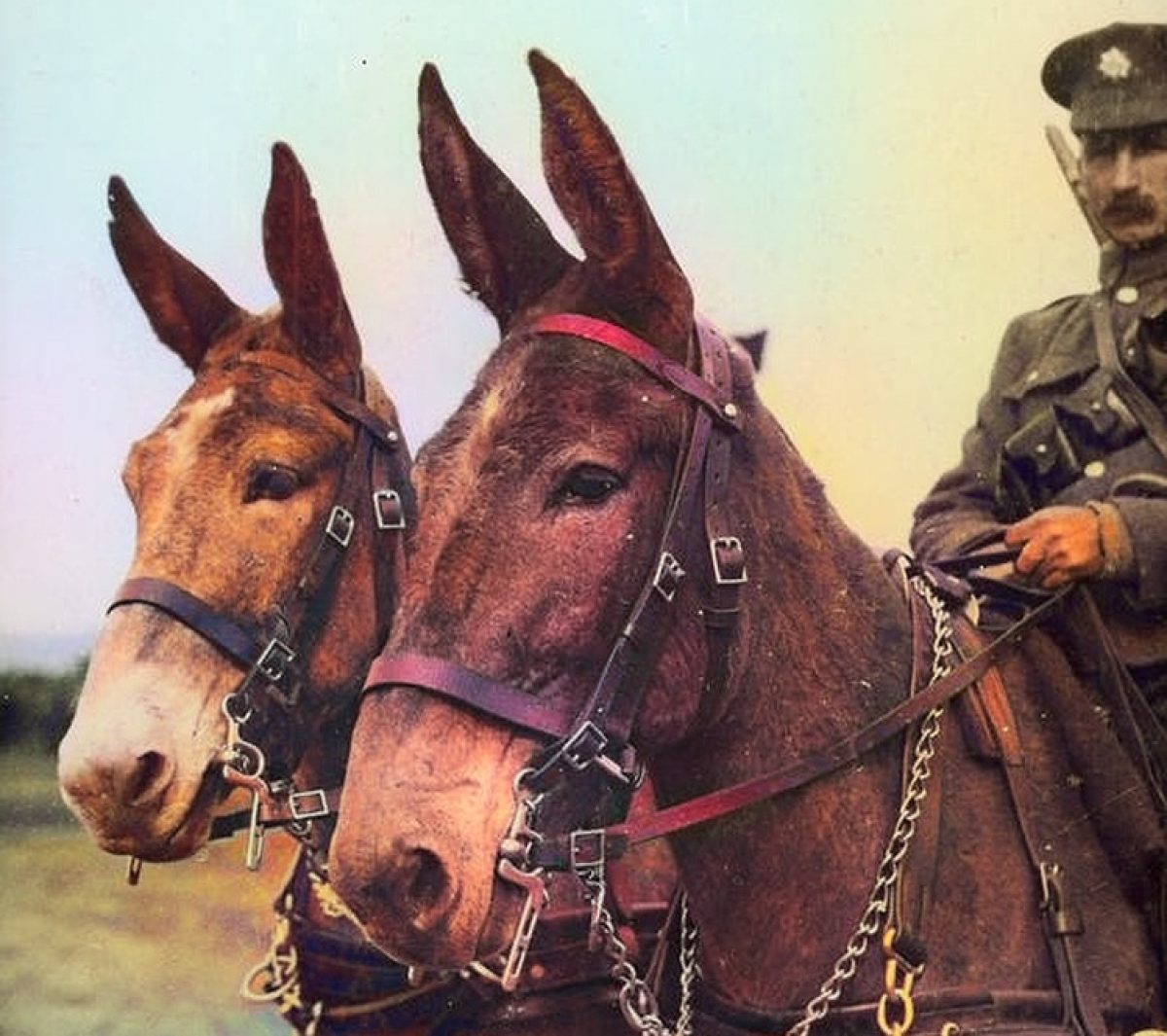
With so much talk in the media about the possible impact of Artificial Intelligence (AI), I thought I’d see what AI could produce on the Salonika Campaign. So, I visited ChatGPT and gave it the following prompt:
“Write a short introduction to the Salonika Campaign of 1915-1918 where British forces were involved. Explain the political background, the reasons for British involvement, the initial and ongoing difficulties, successes, and failures of the campaign.”
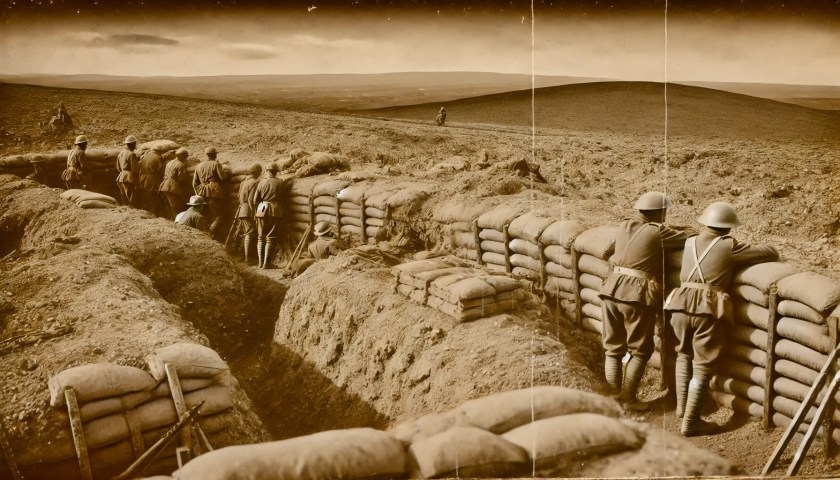
And, within seconds, the AI had produced the text (in blue) below and, after a little more prompting, the accompanying image. What do you think? How would you mark this AI homework?
The Salonika Campaign (1915–1918)
The Salonika Campaign (1915–1918), part of the broader Balkan theater [sic] of World War I, was a politically contentious and strategically complex operation involving British and Allied forces. It originated against the backdrop of the collapse of Serbia, a key Allied power in the Balkans, and the desire to contain Central Powers’ influence in the region.
Political Background and British Involvement
The campaign was driven by a mix of strategic necessity and political considerations. Following Bulgaria’s entry into the war on the side of the Central Powers in 1915, Serbia was invaded and overrun by a combined Austro-Hungarian, German, and Bulgarian force. This development alarmed the Allies, who sought to stabilize the region and prevent further Central Powers’ advances into Greece and the eastern Mediterranean.
British involvement was spurred by a combination of commitments to its Entente allies—particularly France—and the need to secure the strategic link between the Mediterranean and the Near East, including the Suez Canal. However, British Prime Minister Herbert Asquith’s cabinet was divided on the campaign, with many seeing it as a diversion of resources from the more critical Western Front.
Initial and Ongoing Difficulties
From the outset, the Salonika Campaign faced severe challenges. The Allied forces, including British troops, landed in Salonika (modern Thessaloniki) in October 1915 to provide relief to Serbia, but the rapid fall of Serbia and the harsh Balkan winter forced a retreat into Greece. The ensuing stalemate in the region mirrored the trench warfare of the Western Front but was compounded by mountainous terrain, inadequate infrastructure, and endemic diseases such as malaria, which significantly weakened troop effectiveness.
The political situation in Greece further complicated matters. Greek neutrality was contested, with pro-Allied and pro-Central Powers factions vying for control. A coup in 1917 finally brought Greece into the war on the Allied side, but this delay hindered effective coordination and progress.
Successes and Failures
Despite its challenges, the Salonika Campaign achieved some notable successes. Allied forces eventually went on the offensive in 1918, spearheading operations that led to the decisive Vardar Offensive. This contributed to the capitulation of Bulgaria in September 1918, the first of the Central Powers to surrender, and helped to secure an Allied victory in the Balkans.
However, the campaign is often criticized for its high costs relative to its limited strategic impact. It tied down large numbers of troops and resources that some argued could have been better used on the Western Front. The campaign’s slow pace and significant casualties, largely due to disease, also fueled skepticism about its value.
In hindsight, the Salonika Campaign highlights the interplay of military strategy, political maneuvering, and the complexities of coalition warfare in a volatile region. While its immediate successes were limited, its role in destabilizing the Central Powers’ position in the Balkans and hastening the end of the war was significant.
 Salonika Campaign Society, 1915-1918