Jimmy Crowley ‘Salonika’

In Episode 68 of Tales from the Battlefields (see previous post) the podcast starts with part of a song by Irish musician Jimmy Crowley. I was intrigued to find out more about the tune…

According to an article in The Irish Examiner the song was popular around the time of the First World War but had fallen out of use in later decades before being discovered by Crowley, “The jaunty ballad is sung from two different female perspectives — the first, a woman whose husband has enlisted in World War I, the title referring to the Greek city of Thessaloniki, which was home to a British military base. These women were known as ‘seperas’ as they were paid separation allowance by the British government when their husbands went off to fight. The other woman in the song is the wife of a ‘slacker’, the term given to men who did not join the army. The women in the song swap jibes and sprinkled through the song are references to Cork locations such as the Coliseum and characters including Dicky Glue, a well-known pawnbroker… It would have been popular as a street ballad up to the time of the Second World War. It is a tremendous song because it gives an insight into the lives of women around the time of the First World War. It kind of died out later, when ballads became uncool, because they were associated with the poor and uneducated. They would have started coming back into vogue with the rise of folk music in the 1960s.”

The song has since been recorded by ‘The Dubliners’ and even appeared on Later with Jools Holland in 2015 played by ‘Lynched’:

Lynched – Salonika – Later… with Jools Holland – BBC Two

And here is the ‘original’ Jimmy Crowley version:

‘Salonika’ – a play. Who knew?

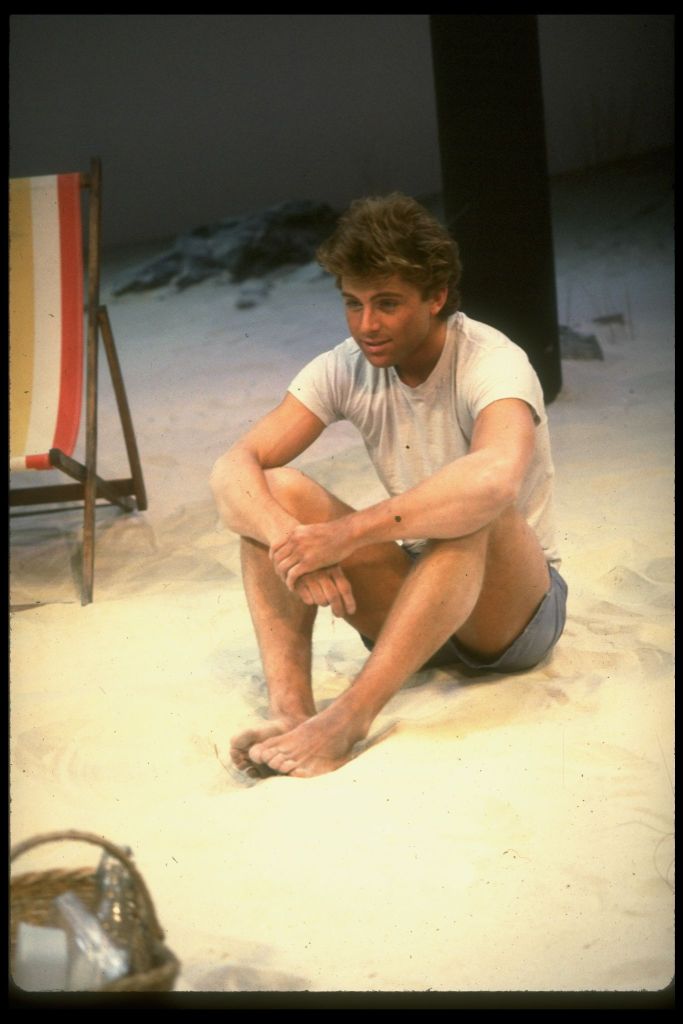
‘X’ (formerly Twitter) occasionally throws up gems of information and new, to me at least, was the fact that in 1982, the Royal Court Theatre, London staged the play Salonika. How a post by someone I do not know suddenly appeared in my news feed is a mystery of the ‘X’ algorithm…

With a little digging, I discovered that the play was written by British author Louise Page, and explores the relationship between 84 year old Charlotte and her 63 year old daughter Enid. They have travelled to Salonika to visit the grave of Charlotte’s husband, Ben, a casualty of the Salonika Campaign many years earlier.

The play won a prestigious George Devine Award and has been produced in both the UK and the USA on several times since its premier – most notably with American actress Jessica Tandy in the role of Charlotte.

Perhaps the best introduction and overview is from the Bench Theatre and its production of 1987 which also gives a description of the Salonika Campaign in its programme notes:

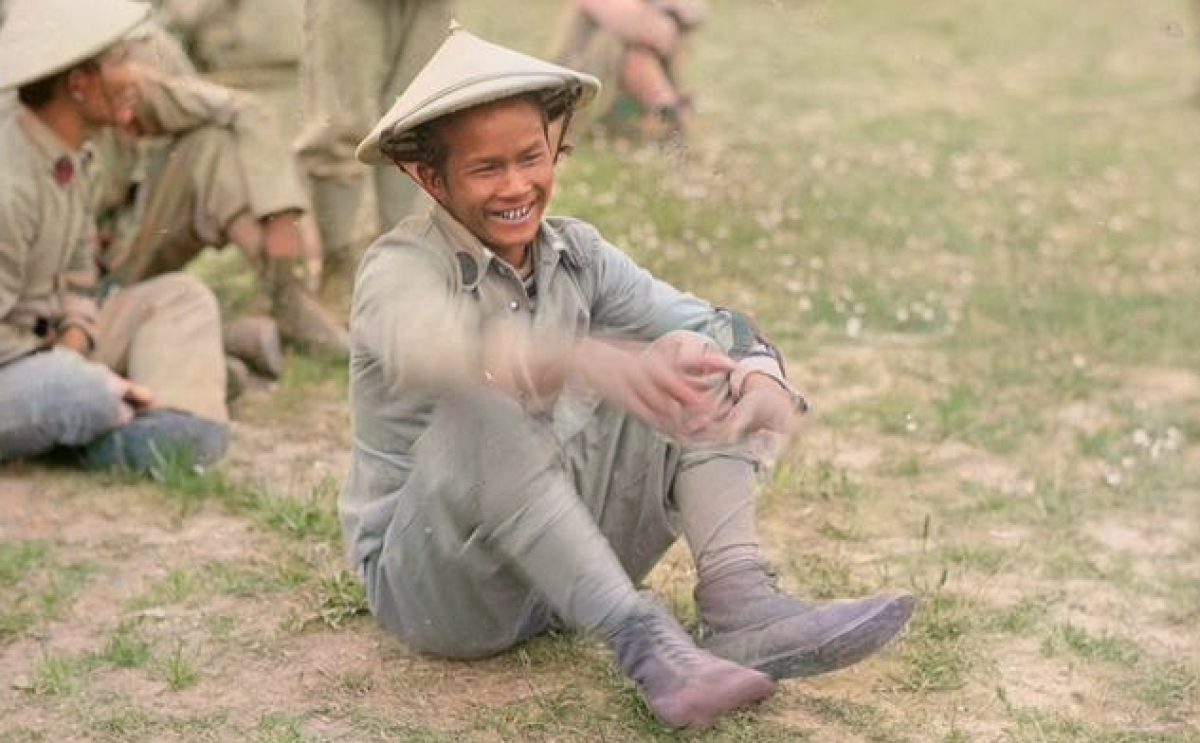
The “Army of the Orient” that endured a monotonous and unglamourous [sic] war in Macedonia (1915-1918) was the “forgotten” army of World War I. Entrenched in the environs of Salonika, the army stagnated, unable to move and achieved nothing.
The British War Committee wrote off the campaign as an ineffectual sideshow. The British public, reading no dramatic headlines in the press, was convinced that there was no fighting at Salonika – that it was a pleasant relaxing backwater of the war. The troops knew otherwise. The war for them consisted of weeks of inactivity, cooped up in inhospitable terrain and under the strain of constantly watching and waiting for the enemy, followed by brief and inglorious skirmishes. Their greatest enemies were sheer boredom and disease. Ten times as many British soldiers entered hospital with malaria as with wounds sustained in action. On 16 October 1917, one-fifth of the total British force – 21,434 men – were hospitalised as malarial cases.
There was no hero’s return for the veteran of Salonika. And there is no public memorial in Britain to the men who served there.

I wonder if any of our members and readers out there have seen a production of Salonika and have any thoughts on it?