
…. as we that are left grow old:
Age shall not weary them, nor the years condemn.
Blog
‘Secrets of Salonika – Insights from the battlefields of Greece & North Macedonia.’
Here’s a date for your diary: Thursday 14th November at 8:00pm, when the Society’s very own Secretary, Chris Loader, will be giving an online talk revealing, ‘Secrets of Salonika – Insights from the battlefields of Greece & North Macedonia.’
Hosted by the Great War Group, the talk is free to attend and with no need to register – simply visit https://t.co/BI41SvR2Zz at 8:00pm on Thursday 14th November.

Take Your Partners …
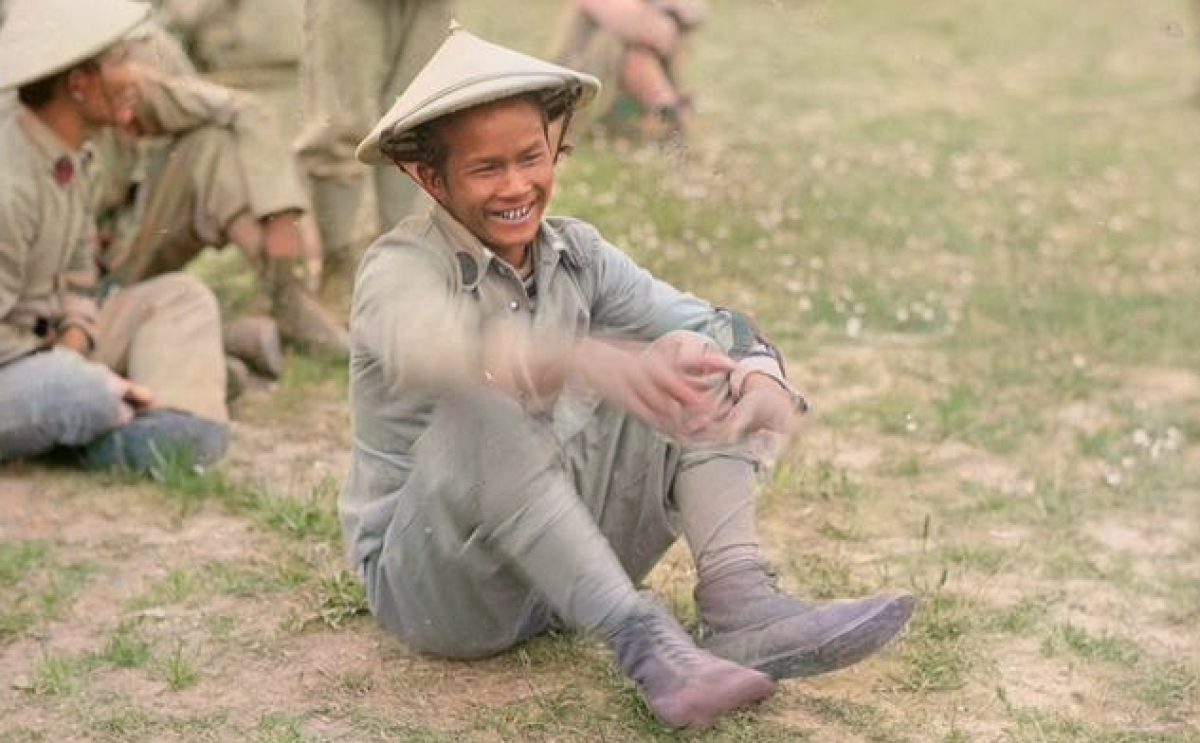
With BBC Radio Three celebrating a ‘Day of Dance’, I thought I would see if I could find a suitable photo in the IWM’s online collection. As I suspected, there are a number showing Serbian troops and British medical staff dancing a kolo – a Serbian circle dance – but, as I have used some of those before, I was keen to find something different. Well, I think this is certainly different …
Continue reading “Take Your Partners …”Special exhibition on November 12th at the Hellenic Residence
To mark Remembrance Day, the Embassy of Greece in London is hosting a special (free) exhibition on November 12th at the Hellenic Residence, 51 Upper Brook Street, London .
“There, among the rotted sandbags, a flower had grown…” is an exhibition to remember those who served in Greece during WWI. It is also a tribute to the enduring friendship and long-standing alliance between Greece and the UK.
The exhibition will present a compelling narrative of the shared histories and sacrifice between Greek, British and Commonwealth personnel in WWI Greece. The exhibition takes its title from a line in “Life in the Tomb” by Stratis Myrivilis -a landmark war novel, and by far the most famous work written in Greece on the First World War.
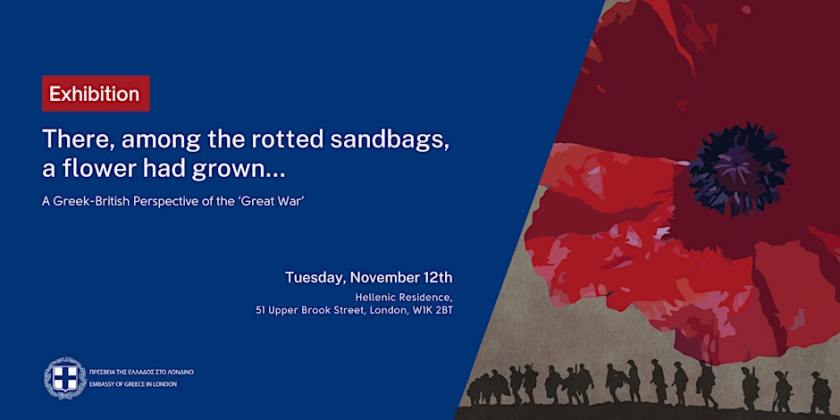
Visitors will have the opportunity to explore an array of artifacts and objects, some never seen before in the UK such as parts from the wreckage of Zeppelin LZ.85 which was shot down over Thessaloniki by the British battleship HMS Agamemnon on 5 May 1916.
Other artefacts on display include:
- Personal items and military paraphernalia from British troops stationed in Greece during WWI shedding light into everyday life and daily routines at the war front, but also speaking of the resilience and spirit of those who served.
- Photographs and Maps: Visual documentation that captures the landscapes and faces of the era.
- Medals and Decorations: Honours awarded to servicemen who fought at the Macedonian Front during WWI.
Visiting hours and Additional Information
The exhibition will be open to the public with free admission on November 12th from 12pm.-3pm. and from 5pm.-8pm., with guided tours available to provide further context and insight into the displayed items. Slots are bookable on the hour. Last entry is at 7.30 p.m. Click here for details and tickets.
The Navy was There!
For understandable reasons we tend to focus on the British Salonika Army but, on this Trafalgar Day, we should remember the important part the Royal Navy played in the campaign. In the very last issue of the Salonika Reunion Association’s publication – The Mosquito (May 1969) – there is a fine tribute from the Pongos of the BSF to the Senior Service. Here are some extracts.
Continue reading “The Navy was There!”Remembering the BSF
As is customary on the first Saturday after the anniversary of the Bulgarian armistice (30 September 1918), SCS members and friends gathered at the Cenotaph in Whitehall on Saturday 5 October to lay a wreath and remember the dead of the British Salonika Force.
Continue reading “Remembering the BSF”Once Through The Alphabet
Whilst the BSF did not produce a poet of the stature of Wilfred Owen, it did have Rifleman T. B. Clark of the King’s Royal Rifle Corps whose poetry was published in a small volume – Rhymes of A Rifleman – by William Nicholson & Sons Ltd of London. Whilst this has not been perpetuated through exam syllabuses, from it we get an interesting view of the campaign from a thoughtful, pre-war private soldier. So, for National Poetry Day, here is Rifleman Clark’s poem, Once Through The Alphabet – Tommy’s Version, composed in the trenches in Macedonia, October 1917.
Continue reading “Once Through The Alphabet”Battling ‘General Malaria’ on the Macedonian front, 1915–1919
I’m grateful to SCS member Nick Palmer for bringing this online article (Battling ‘General Malaria’ on the Macedonian front, 1915–1919) to my attention. It’s a very recent publication from Dr Laura Robson-Mainwaring at the National Archives.
The article takes a look at some of the medical case sheets from the 28th General Hospital, Salonika to reveal the impact of malaria and the efforts to counteract it; from quinine and mosquito nets, to importing fish to eat mosquito larvae!
The impact of the disease is considered at the macro level – and, poignantly, at the individual level through the sad record of Isaac Jones of the South Wales Borderers who caught malaria in May 1918 with recurring attacks over the next few months before his death on 14 September 1918.

Remembering…
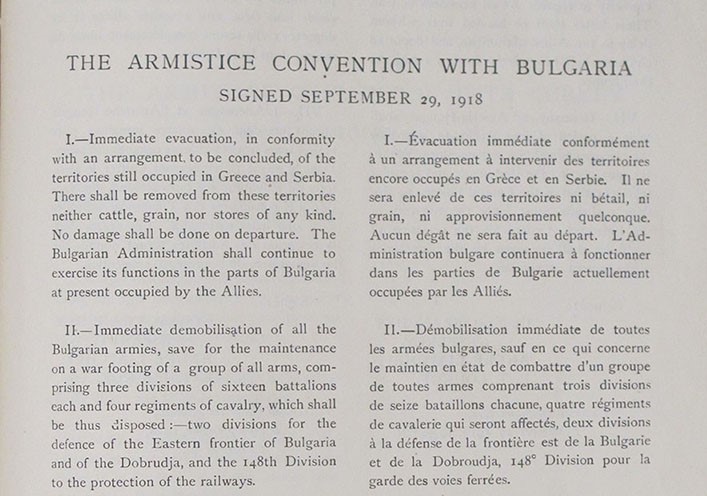
It is a very appropriate day and time (this is posted at noon), to be thinking about the contribution and ordeal of those working and fighting in Salonika – as it was at midday on this day, 106 years ago, that the Armistice of Salonica came into force, having been signed the day before.
V5 Bibliography released
Listing 430 titles, Version 5 of the Salonika Campaign bibliography is now published and freely available here. As in the past, the bibliography has been compiled for the Salonika Campaign Society by SCS member Keith Roberts.
If you haven’t taken a look at the bibliography in the past, why not do so now? Keith helpfully lists links to texts that can be viewed online. For example, one item listed is Salonika Again, which Keith describes as an “interesting pamphlet telling of a return visit paid by two veterans of the campaign, and their visits to a school funded by the SCS and a village adopted by them. According to the Mosquito, the two veterans were Billy Reeves and G E Willis.”
Our thanks to Keith for his continued patience and persistence in this Herculean task.
Salonika recommended!
My thanks go to David Gallon for sharing a letter from today’s Daily Telegraph, alerting readers to the delights of visiting northern Greece and – in particular- sites associated with the Macedonian campaign.
Continue reading “Salonika recommended!” Salonika Campaign Society, 1915-1918