
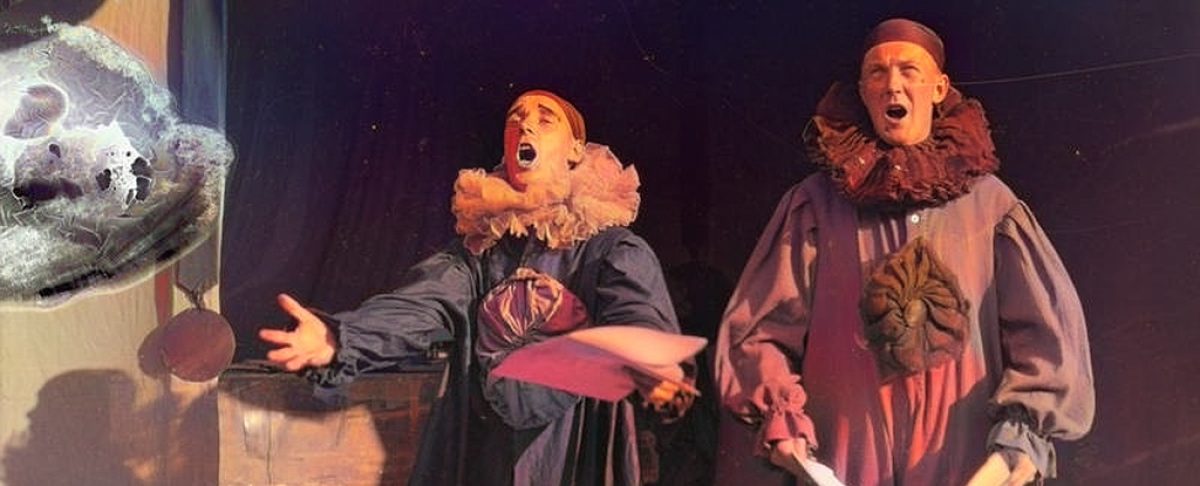
I have always loved illustrated books, so couldn’t let National Illustration Day go unnoticed. Obviously, as children, we start off looking at picture books but my love of illustrated books has continued, although I do read the words too – honest!
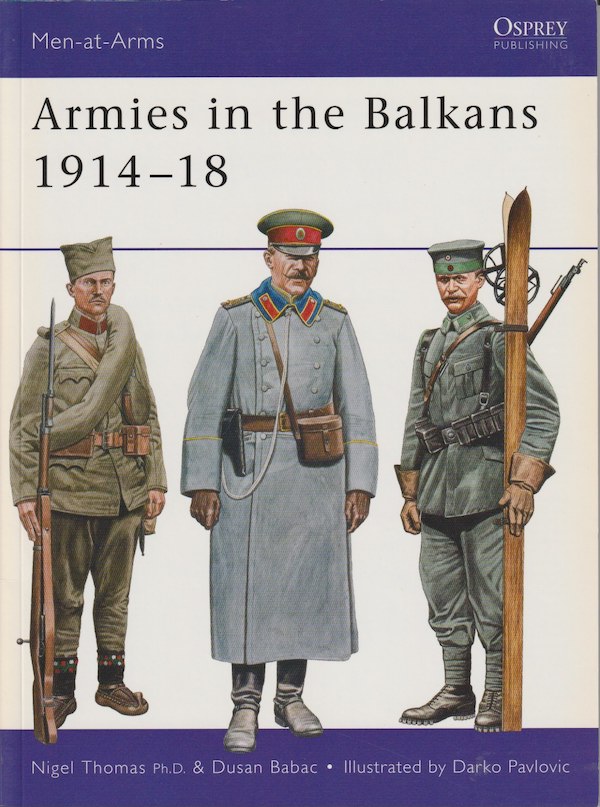
I developed an early interest in military history and found military costume and uniforms especially fascinating, so it’s not surprising that books on that subject fill my book shelves. I still have the first book on the subject that I bought in 1972, about the soldiers of the Peninsular War (1808-1814). Books on uniforms can be very expensive, but I was lucky enough to grow up in a time when slim, relatively inexpensive illustrated paperbacks on uniforms became available, notably the Osprey Men-At-Arms series, which continues to produce titles on military forces from antiquity to the present day. In 2001, Osprey finally tackled the Macedonian campaign in a book entitled ‘Armies in the Balkans 1914-18‘.
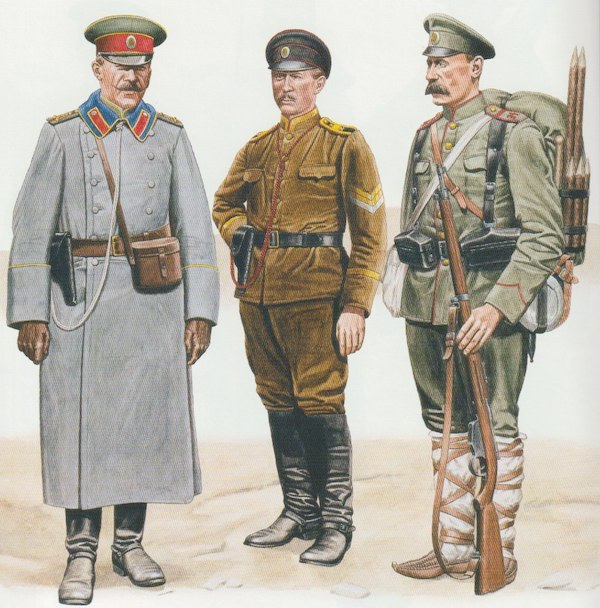
A feature of these slim volumes – which are always packed with maps, drawings and photographs – is a series of eight colour plates in the centre. Those in this book are by talented illustrator Darko Pavlovic. Here is one of his colour plates, showing Bulgarian troops:
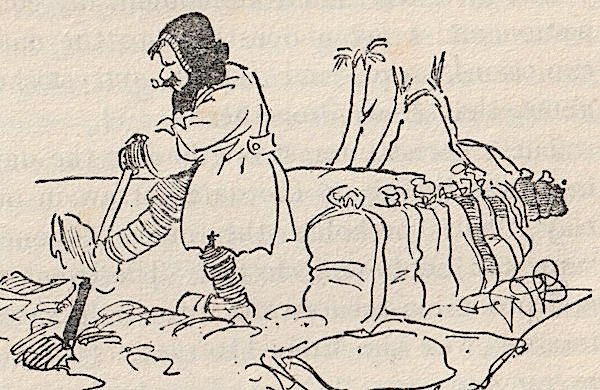
Of course, over the years, I have been introduced to lots of illustrators and like many interested in the First World War one of my favourites is Bruce Bairnsfather, the creator of ‘Old Bill’. Here is one of Bairnsfather’s drawings from his book about his time with the BEF in 1915, although it could just as easily depict a member of the BSF!
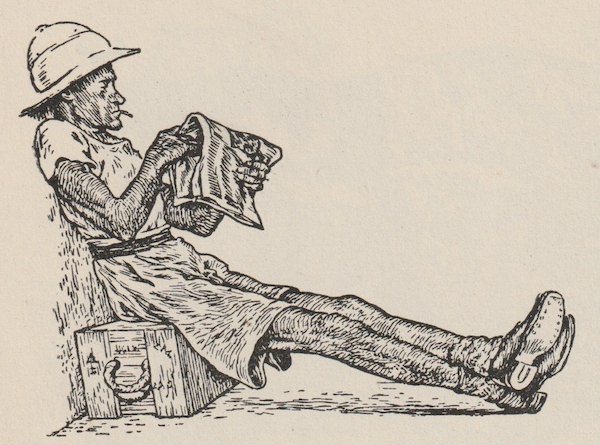
One of my favourite illustrations of a British soldier comes from an unusual collection of war verses from 1946, written and illustrated by Major Hicks of the Royal Marines. It accompanies a poem celebrating the English infantry of the line (no offence intended to Scottish, Welsh or Irish regiments!). He looks distinctly ‘browned off’ and, whilst he could be in Egypt, Mesopotamia or anywhere east of Suez, I like to think he is in the Struma valley in 1917, reading The Balkan News; indeed, you may recognise him from our very own New Balkan News!
My thanks go to the Quentin Blake Centre for Illustration for bringing National Illustration Day to my attention. The opening of the Centre – to be the world’s largest dedicated space for illustration – in May 2026 in Clerkenwell, London, is very exciting.
Discover more from Salonika Campaign Society, 1915-1918
Subscribe to get the latest posts sent to your email.
 Salonika Campaign Society, 1915-1918