
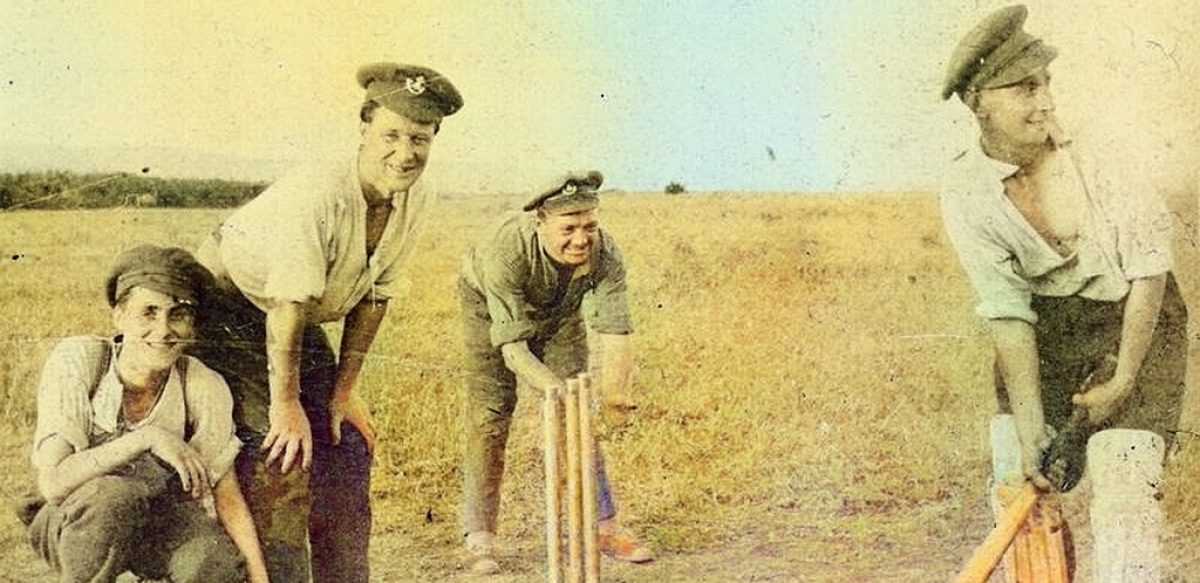
Today is my grandfather’s birthday. Were he still alive, Fred would be 133 years old! Back in 1982 I was working abroad, but took the opportunity of a short trip home to spend some time with Fred and we talked about his army service and I made notes. I am so glad I did as he died a few months later. Whilst there is so much more that I could have found out, I am pleased that I do have some first-hand accounts and it’s one of these I want to share with you today.
A pre-war regular with 1/Suffolk, Fred transferred to the Army Cyclist Corps at the end of 1914 and served with 28th Divisional Cyclist Company on the Western Front in 1915, seeing action at the battles of Second Ypres and Loos. He landed in Salonika at the end of 1915 and, after duties in an around Salonika, moved up to the Struma valley during 1916 where he remained until struck down with malaria and dysentery some time in 1917. Following medical evacuation and convalescence he finished his war with the cyclist company of a highland division in Norfolk.
This is the story he told me, which could have made his 27th birthday his last!
During his time with the BSF, Fred attended a Lewis Gun course. Unfortunately a live round had been mixed in with the dummy rounds. This went off and passed through both cuffs of Fred’s tunic and hit another chap in the leg. This chap survived the war, but had one leg shorter than the other for the rest of his life.
You can imagine my surprise and delight when, some thirty years later, I came across this in the War Diary of 16th Corps Cyclist Battalion at The National Archives:
Badimal [Struma valley]
28th April 1917
Parties under instruction: signallers, first aid, Lewis and Hotchkiss machine-gun teams. One other rank wounded accidentally by live round being mixed with dummy rounds.
29th April 1917
Court of enquiry ordered and further precautions taken to ensure safety of squads under instruction.
WO95/4827
It’s a pity the wounded man isn’t named and, also, that there is no follow-up in the diary about the subsequent court of enquiry. But it’s good to know when and where this incident happened – one that could have changed the whole history of the Braysher family!
S.S. 448. Method of Instruction in the Lewis Gun, issued by the General Staff, May, 1917 (reprinted by The Naval & Military Press Ltd) has quite a lot to say on this subject – all in bold type!
During hours of instruction, except at the actual firing point on the range, live ammunition must never be brought near the Lewis Gun. Thus, in time allotted to filling magazines, the guns must be removed from the squads.
Two kinds of dummy cartridges are issued by Ordnance for instructional purposes:-
(1) Wooden dummies to show the movement of the ammunition inside the gun, action of feed mechanism, stoppages, &c.
(2) Metal dummies, for use as tools in stripping.
The authority for the issue of these dummies is G.R.O. 2065. Dated 7.1.17.
Page 2
Special dummy cartridges with steel bullets are issued for use in stripping. Live rounds must never be used for instructional purposes. Many accidents have been caused by this practice.
Page 10
To demonstrate the working of the mechanism, dummy rounds with wooden bullets should be used. To prevent accidents, live ammunition must never be brought near the gun during instruction.
Page 12
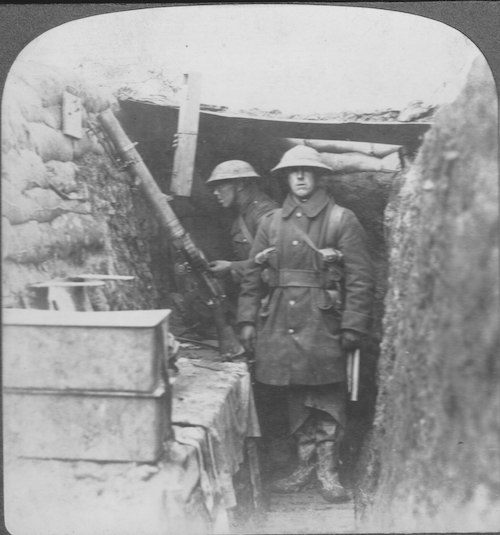
An atmospheric photo – actually from a stereoscopic image – showing a Lewis Gun and team ‘In a British first line trench in the Balkans’; Underwood & Underwood (London) Ltd. From Robin Braysher’s collection.
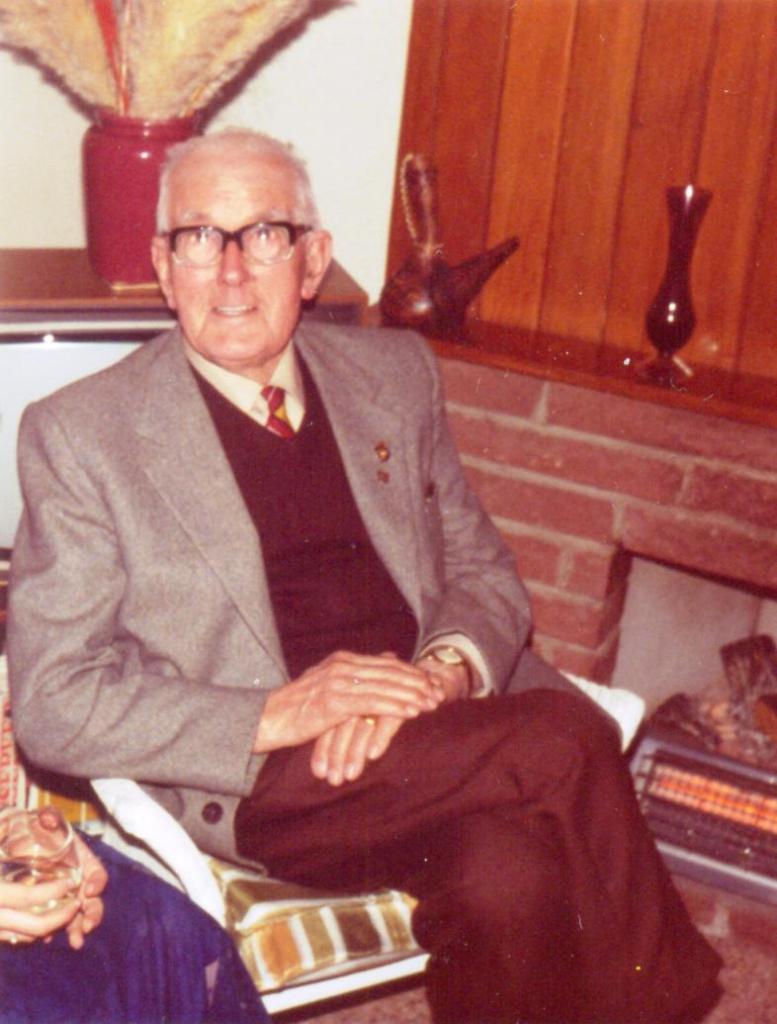
Happy birthday Fred!
Discover more from Salonika Campaign Society, 1915-1918
Subscribe to get the latest posts sent to your email.
 Salonika Campaign Society, 1915-1918